Train your team at your workplace, or book a place for yourself on one of our open courses. Towns, dates and per-person prices are on the course dates page.
The full workplace first aid qualification. For first-aiders in higher-risk or larger workplaces where the first aid needs assessment calls for this level.
Renew a First Aid at Work certificate for another three years. For certificates in date, or up to one month past expiry. Expired longer than that? Book the full First Aid at Work course.
Next open date 10 Nov, Worcester£89.99 + VAT per person
EFAW
1 day
Level 3 award
Valid 3 years
The one-day qualification for lower-risk workplaces such as shops and offices, where the first aid needs assessment doesn't call for the full three-day course.
One-day emergency first aid for infants and children: CPR, AED use, choking and emergency care. Lets early years staff count in ratios under the EYFS; every setting still needs a full paediatric first-aider on site.
The full paediatric qualification the EYFS requires on the premises whenever children are present, and the one childminders need. Day one online, day two in the classroom.
Highfield Qualifications
In-house group price, plus VAT£700
Course details
Group prices are plus VAT and include certificates.
MHFA England and Highfield
Mental health courses
From a four-hour awareness session to two-day in-depth courses, certificated by MHFA England or awarded by Highfield at Level 2 or 3.
For managers: support employees with mental ill health, manage wellbeing at work and during absence, and build a mentally healthy workplace.
Highfield Qualifications
In-house group price, plus VAT£1,400
Course details
Group prices are plus VAT and include certificates.
Talk to us
Training a team?
In-house training comes to your premises and lets us tailor scenarios to your workplace. Tell us how many people need training and we will confirm the price.
Practical refreshers and guidance updates by email. Unsubscribe at any time.
Manual Handling
Manual Handling
manual-handling-online
40 minutes
All employees
None
Multiple-choice questions
Manual Handling
22 per learner
Manual handling
Work equipment
LITE process
Safe lifting
More than one person?
Correct lifting techniques
Man lifting tyre
Man lifting tyre
Highfield Online Training
Online
Comprehensive online training to reduce workplace injuries through correct lifting, carrying, and moving techniques. Covers posture, risk assessment, and safe manual handling practices, ideal for anyone involved in physical work.
Health & Safety
Highfield Online Training
This course helps prevent musculoskeletal injuries by teaching safe lifting and handling techniques, promoting good posture, and raising awareness of the risks associated with manual tasks in the workplace.
Manual Handling Online Course | Promet
Take Promet’s Manual Handling online course. Review key details, then enquire or book flexible training online.
Correct lifting, carrying and moving techniques, posture and risk assessment.
40 minutes
Introduction to Working at Height
Introduction to Working at Height
introduction-to-working-at-height-online
90 minutes
Employees exposed to height risks
None
Multiple-choice questions
Working at Height
22 per learner
Working at height
Planning work at height
The work at height hierarcy of control
Safe systems for working at height
Equipment for working at height
Rooftops and fragile surfaces
Voids and holes
Situational awareness
Risk assessments
People on harness next to building
People on harness next to building
Highfield Online Training
Online
Comprehensive online training focused on preventing falls and injuries when working at height. The course teaches how to identify hazards, use safety harnesses correctly, and follow safe systems of work, ideal for anyone performing tasks above ground level.
Health & Safety
Highfield Online Training
This course teaches safe working practices at height, including how to plan tasks effectively, assess risks, and use personal protective equipment such as harnesses and anchor systems correctly. It helps learners understand legal responsibilities and essential precautions to prevent falls and ensure a safe working environment.
Working at Height Online Course | Promet
Take Promet’s Introduction to Working at Height online course. Review key details, then enquire or book flexible training online.
Preventing falls: hazards, harnesses and safe systems of work.
Fire safety awareness training that helps learners understand how fires start, common causes, and how to respond safely. The course covers prevention, evacuation, and extinguisher use, essential knowledge for all employees.
Health & Safety
Highfield Online Training
This course provides a strong foundation in fire safety, helping learners understand how fires start, how to prevent them, and how to act quickly and safely in an emergency. It also explains fire classifications, evacuation procedures, and the correct use of extinguishers to reduce risk in the workplace.
Workplace Fire Safety Online | Promet
Take Promet’s Intro to Fire Safety, Workplace online course. Review key details, then enquire or book flexible training online.
How fires start, prevention, evacuation and extinguisher use.
40 minutes
Health & Safety Level 3
Health & Safety Level 3
health-safety-level-3-online
6-9 Hours
Supervisors / Managers
None
Multiple-choice questions
Highfield Health & Safety Level 3
250 per learner
Introduction to health and safety
Legal aspects of health and safety
Accidents
Management of health and safety
Risk assessment
Hazardous substances
The workplace
Using equipment safely
Fire safety
Health at work
Ergonomics, manual handling and display screen equipment
Man with Safety equipment
Man with Safety equipment
Highfield Online Training
Online
Advanced safety and management training for supervisors and managers responsible for workplace health and safety. The course builds leadership skills, strengthens risk management knowledge, and equips learners to maintain effective safety systems.
Health & Safety
Highfield Online Training
This course addresses high-level safety management by focusing on the skills and knowledge required to oversee health and safety performance across an organisation. It explores leadership responsibilities, risk control strategies, and how to create a strong, compliant safety culture within the workplace.
Health & Safety Level 3 Online Course | Promet
Take Promet’s Health & Safety Level 3 online course. Review key details, then enquire or book flexible training online.
For supervisors and managers responsible for workplace health and safety.
Legal responsibilities; site safety; high‑risk tasks; mobile plant; environment; CSCS pathway
Highfield Online Training
Online
Construction safety awareness course
This course helps meet CSCS prerequisites (exam separate)
Construction Health & Safety Online | Promet
Explore Promet’s Health & Safety within a Construction Environment course. Review key details and enquire about open or in-house training.
Health & Safety Level 1
Health & Safety Level 1
health-safety-level-1-online
1–2 hours
New starters & low‑risk workplaces
None
Multiple-choice questions
Highfield Health & Safety Level 1
22 per learner
Accidents including slips, trips and falls
Legal responsibilities
Hazardous substances (COSHH)
Workplace health, safety and welfare
Work equipment
Fire
First aid
Manual handling
Hard Hat Lockers
Hard Hat Lockers
Highfield Online Training
Online
Introductory health and safety course giving learners a clear understanding of workplace hazards, safe practices, and legal responsibilities. Ideal for new employees or low-risk environments, it builds confidence and promotes a strong safety culture from day one.
Health & Safety
Highfield Online Training
This course introduces basic health and safety concepts to newcomers, helping them recognise common workplace hazards, understand their legal responsibilities, and adopt safe working habits. It’s ideal for new employees or anyone looking to build a strong foundation in workplace safety awareness.
Health & Safety Level 1 Online Course | Promet
Take Promet’s Health & Safety Level 1 online course. Review key details, then enquire or book flexible training online.
Workplace hazards, safe practice and legal responsibilities for new employees.
1–2 hours
Health & Safety Level 2
Health & Safety Level 2
health-safety-level-2-online
2–4 hours
Employees in moderate risk settings
None
Multiple-choice questions
Highfield Health & Safety Level 2
30.00
24.00
36 per learner
Slips, trips and falls
Legal responsibilities
Risk assessment
Hazardous substances (COSHH)
Workplace health, safety and welfare
Work equipment
First aid
Manual handling
Fire
Safety Helmets and Vests
Safety Helmets and Vests
Highfield Online Training
Online
Intermediate health and safety training designed to build on existing knowledge. The course covers workplace hazards, risk assessment, and safe systems of work, ideal for employees who want to enhance their safety awareness and responsibility.
Health & Safety
Highfield Online Training
This course builds on Level 1 by exploring a wider range of workplace hazards in greater depth. Learners develop a stronger understanding of risk assessment, accident prevention, and their roles in maintaining a safe and compliant working environment.
Health & Safety Level 2 Online Course | Promet
Take Promet’s Health & Safety Level 2 online course. Review key details, then enquire or book flexible training online.
Hazards, risk assessment and safe systems of work for employees building on the basics.
2–4 hours
Awareness of Lone Working
Awareness of Lone Working
awareness-of-lone-working-online
35–50 minutes
All employees needing awareness of lone working
None
Multiple-choice questions
Highfield Awareness of Lone Working
7.50 per learner
Who are lone workers
What is lone working?
Working from home
Risks and hazards
Risk assessments
Lone worker safety
Employee and employer responsibilities
Lone worker policy
Lone working checklist
Man climbing Ladder Alone
Man climbing Ladder Alone
Highfield Online Training
Online
This course provides essential training for lone workers, helping them identify potential risks, apply safe working practices, and understand their legal responsibilities. It promotes awareness, confidence, and compliance to ensure safety when working alone.
Health & Safety
Highfield Online Training
This course equips workers with the knowledge and practical skills needed to stay safe when working alone. It explains how to assess risks, maintain communication, and follow best practices to reduce hazards and promote personal safety.
Lone Working Awareness Online | Promet
Take Promet’s Awareness of Lone Working online course. Review key details, then enquire or book flexible training online.
Risks, safe practice and legal responsibilities for lone workers.
35–50 minutes
Awareness of Home Working
Awareness of Home Working
awareness-of-home-working-online
35–50 minutes
Home and hybrid workers, remote employees, employers or staff needing awareness of health and safety issues when working from home.
None – no formal prerequisites required.
Multiple-choice questions and knowledge checks throughout and at the end of the course.
Highfield Awareness of Home Working e-learning
£7.20
£6.00
8 per learner
Benefits of home working
What is home working?
Supporting home workers
Risk assessments in home working settings
Electrical equipment safety in domestic settings
Conditions for home working
Display Screen Equipment (DSE) and safe use
Stress, mental health, wellbeing when remote
Communication and support for remote staff
Employer & employee roles, responsibilities
Video Call with Plant in Foreground
Video Call with Plant in Foreground
Highfield Online Training
Online
Essential e-learning for safe, healthy and compliant working from home.
Health & Safety
Highfield Online Training
This online awareness course provides vital guidance on remote working safety: covering risk assessments, safe display screen equipment use, electrical safety, mental health, communication, and roles & responsibilities. Ideal for employees, employers and managers adapting to home or hybrid working modes. Completion leads to an immediate digital certificate.
Home Working Awareness Online | Promet
Take Promet’s Awareness of Home Working online course. Review key details, then enquire or book flexible training online.
Safe, healthy and compliant working from home.
35–50 minutes
Asbestos Awareness
Asbestos Awareness
asbestos-awareness-online
Approximately 1 to 2 hours
Anyone who may come into contact with asbestos in their work (e.g. maintenance staff, contractors, building workers, new-starters)
No prior knowledge or formal prerequisites required.
Multiple-choice quizzes / knowledge checks at end of course.
Comprehensive online awareness training for asbestos safety and risk prevention.
Health & Safety
Highfield Online Training
This concise e-learning course gives you essential knowledge about asbestos: what it is, where it can be found, associated health risks, and what steps to take to avoid accidental exposure. Ideal for building workers, maintenance personnel, contractors, and staff who may come across asbestos in their day-to-day duties. Completion includes an instant digital certificate for your records.
Asbestos Awareness Online Course | Promet
Take Promet’s Asbestos Awareness online course. Review key details, then enquire or book flexible training online.
Asbestos safety and risk prevention.
Approximately 1 to 2 hours
Emergency Paediatric First Aid
Emergency Paediatric First Aid
emergency-paediatric-first-aid
1 Day
Ideal for individuals who need to be able to provide effective emergency paediatric first aid. Suitable for pre-school and nursery staff, toddler group volunteers, childminders, parents, relatives, and foster carers.
None — no prior qualifications or first aid knowledge required.
Practical assessments and multiple-choice questions
Highfield Level 3 Award in Emergency Paediatric First Aid
£90
£108.00
399
Roles and responsibilities of a paediatric first-aider
Assessing an emergency situation safely
CPR and AED
Administering first aid to a choking infant or child
Putting a casualty in the recovery position
Dealing with:Shock, Bleeds, Bites, Stings, Minor injuries
Emergency Paediatric First Aid training
Emergency Paediatric First Aid training
New
Gain the knowledge, skills, and confidence to provide emergency first aid for infants and children in urgent situations.
First Aid
Highfield Qualifications
5
This regulated one-day course covers essential life-saving skills for infants and children, including CPR, AED use, choking, and emergency care. It meets HSE requirements, is valid for three years, and is ideal for anyone responsible for children’s safety.
Emergency Paediatric First Aid Course | Promet
Explore Promet’s Emergency Paediatric First Aid course, including syllabus, duration and suitability. Enquire about open or in-house training.
One-day emergency first aid for infants and children: CPR, AED use, choking and emergency care. Lets early years staff count in ratios under the EYFS; every setting still needs a full paediatric first-aider on site.
1 day
Paediatric First Aid
Paediatric First Aid
paediatric-first-aid
2 Days
Anyone wishing to become a paediatric first-aider in the workplace with responsibility for the welfare of infants and children, such as nursery staff, school staff, childminders, and carers.
None — no prior qualifications or first aid knowledge required.
Practical assessments and multiple-choice questions.
Highfield Level 3 Award in Paediatric First Aid
£129.00
£154.80
700
Roles and responsibilities of a first-aider
Assessing an emergency situation safely
CPR and AED
Administering first aid to a choking infant or child
Dealing with:Shock, Scalds, Bleeds, Bites, Stings, Minor injuries
Providing first aid to an infant or child with anaphylaxis
Dealing with casualties with:Fractures, Spinal injuries, Head injuries
Paediatric First Aid training
Paediatric First Aid training
Highfield Qualifications Logo
New
Gain the knowledge, confidence, and practical skills needed to provide life-saving first aid for infants and children in a wide range of emergency situations, ensuring their safety and well-being until professional help arrives.
First Aid
Highfield Qualifications
6
This regulated qualification is for those responsible for the care of infants and children, covering CPR, AED use, and key emergency situations. It meets HSE requirements, is valid for three years, and is delivered by an approved Highfield Centre.
Paediatric First Aid Course in Hereford | Promet
Book accredited paediatric first aid training with Promet. Practical blended learning for childcare professionals, workplaces and individuals.
The full paediatric qualification the EYFS requires on the premises whenever children are present, and the one childminders need. Day one online, day two in the classroom.
2 days
Paediatric First Aid
Paediatric First Aid
paediatric-first-aid-online
6–8 hours
Anyone responsible for the care of infants and children, including carers, childminders, nursery staff, and school staff. Ideal for those seeking to meet part of the requirements for the Highfield Level 3 Award in Paediatric First Aid (RQF).
None — no prior qualifications or first aid knowledge required.
Multiple-choice questions
Highfield Completion Certificate (forms part of the training needed to achieve the Highfield Level 3 Award in Paediatric First Aid (RQF) with additional practical training with Promet)
25
30
30 per learner
Roles and responsibilities of a paediatric first-aider
Assessing an emergency situation
Providing first aid to an infant or child who is:
~Unresponsive
~Choking
~Experiencing external bleeding
Providing first aid to an infant or child with:
~Suspected bone fracture or dislocation
~Head, neck, or back injury
~Condition affecting ears, eyes, or nose
~Burns or scalds
~Acute medical condition or sudden illness
~Minor injury
~Shock
Managing an infant or child experiencing:
~Extreme heat or cold
~Electric shock
~Poisoning
~Anaphylaxis
Plaster On Child's Knee
Plaster On Child's Knee
Highfield Online Training
Online
Comprehensive online training for caring for infants and children in emergencies.
First Aid
Highfield Online Training
This detailed online course gives you the essential knowledge and confidence to respond to medical emergencies involving infants and children. Covering everything from choking and burns to fractures, shock, and anaphylaxis, it forms part of the requirements for the Highfield Level 3 Award in Paediatric First Aid (RQF) when combined with practical training. Ideal for carers, childminders, and school staff.
Paediatric First Aid Online Course | Promet
Take Promet’s Paediatric First Aid online course. Review key details, then enquire or book flexible training online.
Caring for infants and children in emergencies.
6–8 hours
First Aid at Work
First Aid at Work
first-aid-at-work-online
4–5 hours
Ideal for any employee or manager who wishes to become a first-aider in the workplace. Suitable for those in any industry where a more comprehensive level of first aid knowledge is required.
None — no prior qualifications or first aid knowledge required.
Multiple-choice questions
Highfield Completion Certificate (with the option to achieve the Level 3 Award in First Aid at Work (RQF) or SCQF Level 6 by completing further practical training with Promet)
35
42
42 per learner
Understanding the role and responsibilities of a first-aider
Assessing an incident
Managing an unresponsive casualty
Recognising and assisting a choking casualty
Managing a casualty with external bleeding and shock
Managing a casualty with a minor injury
Conducting a secondary survey
Administering first aid to a casualty with:
~Bone, head, or spinal injuries
~Suspected chest injuries
~Burns or eye injuries
~Sudden poisoning or anaphylaxis
~Suspected major illness
Wound Pad on Knee
Wound Pad on Knee
Highfield Online Training
Online
Comprehensive workplace first aid training. Learn online, then progress to a recognised Level 3 award.
First Aid
Highfield Online Training
Employers must provide adequate first aid resources and trained personnel in the workplace. This online course delivers comprehensive knowledge to handle a wide range of emergencies—from minor injuries to life-threatening conditions. Learn at your own pace, then progress to the full Level 3 Award in First Aid at Work (RQF) or SCQF Level 6 with further practical training.
First Aid at Work Online Course | Promet
Take Promet’s First Aid at Work online course. Review key details, then enquire or book flexible training online.
Comprehensive workplace first aid theory online, then progress to the recognised Level 3 award.
4–5 hours
Emergency First Aid at Work
Emergency First Aid at Work
emergency-first-aid-at-work-online
3–4 hours
Ideal for any employee or manager who wishes to become an emergency first-aider in the workplace. Suitable for individuals in any industry where a basic understanding of emergency first aid is required.
None — no prior qualifications or first aid knowledge required.
Multiple-choice questions
Highfield Completion Certificate (with the option to achieve the Level 3 Award in Emergency First Aid at Work (RQF) by completing further practical training with Promet))
25
30
30 per learner
Understanding the role and responsibilities of a first-aider
Assessing an incident
Managing an unresponsive casualty
Recognising and assisting a choking casualty
Managing a casualty with external bleeding and shock
Managing a casualty with a minor injury
Two People Performing CPR and Defibrillation
Two People Performing CPR and Defibrillation
Highfield Online Training
Online
Gain the skills to respond to workplace emergencies. Learn online, then progress to a recognised Level 3 award.
First Aid
Highfield Online Training
This online course gives you the knowledge and confidence to act quickly and effectively in an emergency. Learn the core skills of emergency first aid, from dealing with unresponsive casualties to managing bleeding and shock. Complete the e-learning and you can go on to achieve the Level 3 Award in Emergency First Aid at Work (RQF) with a registered training provider.
Emergency First Aid at Work Online | Promet
Take Promet’s Emergency First Aid at Work online course. Review key details, then enquire or book flexible training online.
The theory for workplace emergencies online, then progress to the recognised Level 3 award.
3–4 hours
Anaphylaxis & Autoinjectors
Anaphylaxis & Autoinjectors
anaphylaxis-and-autoinjectors
30 minutes
Any employee or manager working in an environment where understanding anaphylaxis and the use of autoinjectors is beneficial. Also suitable for individuals wanting to gain confidence in recognising and managing severe allergic reactions.
None — no prior knowledge or qualifications required.
Multiple-choice questions
Highfield Completion Certificate
20
24
24 per learner
Reactions to allergens
Anaphylaxis
An employee’s responsibility
Adrenaline autoinjectors
Common traits
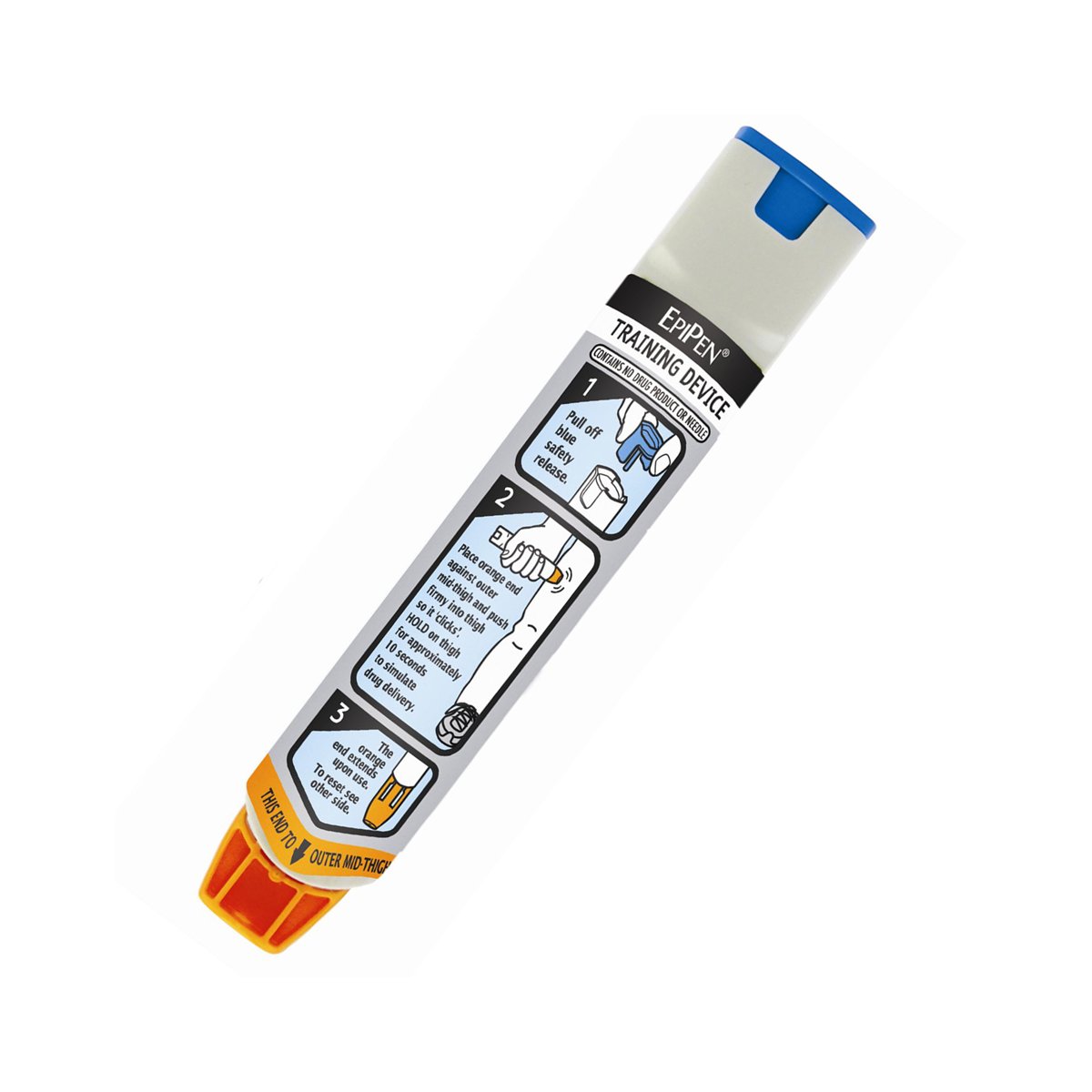
Man with Epipen
Man with EpiPen
Highfield Online Training
Online
Learn to recognise and respond to life-threatening allergic reactions, including how to use adrenaline autoinjectors safely and effectively.
First Aid
Highfield Online Training
Anaphylaxis is a severe, potentially life-threatening allergic reaction that can occur within minutes. This short online course equips learners with the skills to identify symptoms, respond quickly, and administer emergency treatment using an adrenaline autoinjector. Suitable for anyone working in environments where allergic reactions may occur, or for individuals wanting to be prepared.
Anaphylaxis & Autoinjectors Online | Promet
Explore Promet’s Anaphylaxis & Autoinjectors course, including syllabus, duration and suitability. Enquire about open or in-house training.
Recognise and respond to life-threatening allergic reactions, including safe use of adrenaline autoinjectors.
30 minutes
Stress Management
Stress Management
stress-management
20 - 40 Minutes
Individuals may wish to use this course to understand their stress triggers and how to best deal with them.
No prior knowledge needed.
Multiple-choice questions
Stress Management
£16.67
£20.00
20 per learner
Defining stress
The causes of stress at work
Effects of stress on job performance
Strategies for managing stress
Stress reduction
Stress and the law
Management of Health and Safety at WorkRegulations
HSE’s management standards
Risk assessment for work-related stress
Person With Hand On Head
Person Looking At Computer Screen
Highfield Online Training
Online
This Stress Management Short Course covers work-related stress, its causes, and strategies to manage it, focusing on stressors, resilience, and coping mechanisms
Mental Health
Highfield Online Training
11
This Stress Management Short Course helps you understand work-related stress, its common causes, and strategies to manage it. The online course covers stressors, personal resilience, and coping mechanisms to enhance well-being and reduce stress.
Stress Management Course | Promet
Explore Promet’s Stress Management course, including syllabus, duration and suitability. Enquire about open or in-house training.
Work-related stress, its causes, resilience and coping strategies.
20–40 minutes
Awareness of Mental Health & Wellbeing
Awareness of Mental Health & Wellbeing
awareness-of-mental-health-and-wellbeing
1 - 2 hours average completion time.
All employees in a workplace to raise awareness of mental health and wellbeing of colleagues, friends and family.
This course is for everyone, however, due to the sensitive subjects that are covered on the course some learners can find it distressing.
Multiple-choice questions
Awareness of Mental Health and Wellbeing
29.16
£34.99
35 per learner
Learn what mental health means, what is good mental health and poor mental health.
Understand the personal risk factors that can influence mental health and mental ill health.
Explore the recovery journey, the wellness recovery action plan and the recovery model.
Understanding the impact of life events and learn about stigma.
An introduction to the types of mental ill health and illnesses.
Learn the importance of self-care, management, and mindfulness.
Typing at a table
Typing at a table
Highfield Online Training Logo
Online
Mental Health and Wellbeing covers mental health basics, factors, illnesses, diagnosis, and recovery, aiming to raise awareness, reduce stigma, and support others.
Mental Health
Highfield Online Training
10
Mental Health and Wellbeing covers the basics of mental health, factors influencing it, types of mental illnesses, and the importance of diagnosis and recovery. It aims to raise awareness, reduce stigma, and equip learners to support those struggling with mental health issues
Awareness of Mental Health & Wellbeing Course | Promet
Explore Promet’s Awareness of Mental Health & Wellbeing course, including syllabus, duration and suitability. Enquire about open or in-house training.
Mental health basics, common illnesses, diagnosis and recovery. Raises awareness and reduces stigma.
1–2 hours
Adult Mental Health Champion
Adult Mental Health Champion
mental-health-champion
1 day
Someone requiring the skills and confidence to advocate for mental health awareness, support a culture of positive wellbeing, spot signs of mental ill health and guide a person to a place of support.
This course is for everyone, however, due to the sensitive subjects that are covered on the course some learners can find it distressing. Our instructors will make every effort to make all learners feel safe and comfortable.
Attendance and participation is required in all sessions of the course.
Mental Health First Aid England - Adult Mental Health Champion
£166.66
£199.99
999
An understanding of common mental health conditions
Knowledge and confidence to advocate for mental health awareness
Ability to spot signs of mental ill health
Skills to support positive wellbeing
Adult Mental Health Champion training
Adult Mental Health Champion training
Mental Health First Aid England Logo
New
The MHFA Champion course is a one-day training that teaches mental health awareness, spotting signs of ill health, and supporting positive wellbeing.
Mental Health
Mental Health First Aid England
9
The MHFA Champion course is a one-day training that equips individuals with the understanding of common mental health issues, confidence to advocate for mental health awareness, ability to spot signs of mental ill health, and skills to support positive wellbeing.
Mental Health Champion Course | Promet
One-day Mental Health Champion training that builds awareness, helps learners spot signs of poor mental health and supports workplace wellbeing.
One day to understand common mental health issues, spot the signs of mental ill health and champion positive wellbeing at work.
1 day
Intro to Mental Health Awareness
Intro to Mental Health Awareness
intro-mental-health-awareness
To complete this qualification learners should expect to undertake approximately 5 hours of learning, with a minimum contact time of 4 hours.
This qualification can be taken by learners preparing to enter employment or by those who are already in employment and wish to develop their knowledge of mental health.
This qualification is approved for delivery to learners aged 14 and above.
This qualification is assessed by multiple-choice examination.
Highfield Level 2 Award in Introduction to Mental Health Awareness
£34.99
£41.99
450
Understand mental health and wellbeing
Understand how mental ill health affects the experience of individuals
Understand the mental health continuum
Understand ways to self-manage own wellbeing
Intro to Mental Health Awareness training
Intro to Mental Health Awareness training
Highfield Qualifications Logo
New
This qualification prepares learners for further education or career growth by providing essential knowledge on mental health principles, suitable for both new learners and professionals.
Mental Health
Highfield Qualifications
8
The objective of this qualification is to prepare learners to progress to a qualification in another subject area and/or to give learners personal growth and engagement in learning, specifically in relation to understanding the basic principles of mental health.
Intro to Mental Health Awareness Course | Promet
Explore Promet’s Intro to Mental Health Awareness course, including syllabus, duration and suitability. Enquire about open or in-house training.
The basic principles of mental health for people entering work or wanting a first, regulated qualification in the subject.
Half day
Intro to First Aid for Mental Health
Intro to First Aid for Mental Health
intro-first-aid-mental-health
To complete this qualification learners should expect to undertake 15 hours of learning, typically over two days, with a minimum contact time of 12 hours.
The objective of this qualification is to support a role in the workplace and/or to give learners personal growth and engagement in learning, specifically in relation to understanding the principles of first aid for mental health.
This qualification is approved for delivery to learners aged 16 and above.
This qualification is assessed by 2 multiple-choice examinations.
Highfield Level 2 Award in Introduction to First Aid for Mental Health
£119
£142.80
1099
Understand mental health and wellbeing
Understand how mental ill health affects the experience of individuals
Understand the mental health continuum
Understand ways to self-manage own wellbeing
Understand the principles of first aid for mental health
Know how to recognise mental ill health in self and others
Understand how to support mental wellbeing in the workplace
Understand how to promote a mental wellness culture in the workplace
Understand the importance of resilience and protection of self for first aiders for mental health
Intro to First Aid for Mental Health training
Intro to First Aid for Mental Health training
Highfield Qualifications Logo
New
This Award in Introduction to First Aid for Mental Health. The qualification covers mental ill health, first aid principles, workplace mental wellbeing, promoting wellness culture, resilience, and self-care.
Mental Health
Highfield Qualifications
7
Acquire essential expertise in mental health first aid, workplace mental wellbeing, promoting a culture of wellness, resilience, and self-care. This 15-hour course culminates in a multiple-choice exam and is regulated by Ofqual, CCEA, and Qualifications Wales, ensuring industry recognition.
Intro to First Aid for Mental Health Course | Promet
Explore Promet’s Intro to First Aid for Mental Health course, including syllabus, duration and suitability. Enquire about open or in-house training.
Mental health first aid principles, workplace wellbeing, resilience and self-care, with an Ofqual-regulated Highfield Level 2 Award at the end.
2 days
First Aid at Work Refresher
First Aid at Work Refresher
fawr
To complete this qualification learners should expect to undertake 14 hours of learning, typically over two days, with a minimum contact time of 12 hours.
This qualification is aimed at learners who wish to remain as first-aiders in the workplace. This qualification meets the requirements for training first-aiders in those organisations that have identified that staff need to be trained to this level within their first-aid needs assessment.
Learners must have a valid First Aid at Work Certificate (in date or a maximum of one-month post-certificate expiry). Learners must be physically able to carry out the procedures detailed in the course syllabus and be able to kneel to administer Basic Life Support (BLS).
This qualification is assessed by a practical demonstration and a multiple-choice theory test.
Highfield Level 3 Award in First Aid At Work
£129.99
£155.99
799
Understand the role & responsibilities of a first aider
Be able to assess an incident
Be able to provide first aid to an unresponsive casualtyCardiopulmonary Resuscitation (CPR), Recovery position, Seizure
Be able to provide first aid to a casualty who is choking
Be able to provide first aid to a casualty with external bleeding
Know how to provide first aid to a casualty who is in shock
Know how to provide first aid to a casualty with minor injuriesSmall cuts, Grazes, Bruises, Small splinters, Minor burns and scalds
Be able to conduct a secondary survey
Be able to provide first aid to a casualty with suspected injuries to bones, muscles and joints
Be able to provide first aid to a casualty with suspected head and spinal injuries
Know how to provide first aid to a casualty with suspected chest injuries
Know how to provide first aid to a casualty with burns and scaldsDry heat, Wet heat, Electricity, Chemicals
Know how to provide first aid to a casualty with an eye injuryDust, Chemicals, Embedded objects
Know how to provide first aid to a casualty with sudden poisoning
Know how to provide first aid to a casualty with anaphylaxis
Know how to provide first aid to a casualty with suspected major illnessHeart Attack, Stroke, Epileptic seizure, Asthma attack, Diabetic emergency
First Aid at Work Refresher training
First Aid at Work Refresher training
Highfield Qualifications Logo
Featured
For learners that wish to renew their current, valid First Aid At Work certificate. This course will renew the certificate for another three years.
First Aid
Highfield Qualifications
2
Renew a First Aid at Work certificate for another three years. For certificates in date, or up to one month past expiry. Expired longer than that? Book the full First Aid at Work course.
First Aid At Work Refresher | Promet
The two day Highfield Qualifications Level 3 First Aid At Work Refresher course is nationally recognised and meets the requirements outlined by the HSE.
Renew a First Aid at Work certificate for another three years. For certificates in date, or up to one month past expiry. Expired longer than that? Book the full First Aid at Work course.
2 days
Adult Mental Health First Aid
Adult Mental Health First Aid
mhfa
2 days
This course is for anyone who would like to know about how to be the initial support for someone with a mental health illness. This could be a physical first aider, HR practitioner, community volunteer etc.
This course is for everyone, however, due to the sensitive subjects that are covered on the course some learners can find it distressing. Our instructors will make every effort to make all learners feel safe and comfortable.
Attendance and participation is required in all sessions of the course.
Mental Health First Aid England - Adult Mental Health First Aid
£199.99
£239.99
1900
The Mental Health First Aid action plan
What is mental health?
Impact of mental health issues
Stigma and discrimination
DepressionWhat is depression?, Symptoms of depression, Risk factors for depression, Depression in the workplace, Treatment & resources for depression, First aid for depression
Alcohol, drugs and mental health
SuicideSuicide figures, First aid for suicidal crisis
Non-judgemental listening skills
AnxietyWhat is an anxiety disorder?, First aid for anxiety disorders, Crisis first aid after a traumatic event, Alcohol, drugs and anxiety disorders, Treatment and resources for anxiety disorders
Cognitive distortions and CBT
Personality disorders
Eating disorders
Self-harm
PsychosisWhat is psychosis?, Risk factors for psychosis, Alcohol, drugs and psychosis, Schizophrenia, Bipolar disorder, Warning signs of developing psychosis, Crisis first aid for acute psychosis, Treatment and resources for psychosis
Recovery and building resources
Self-care
Adult Mental Health First Aid training
Adult Mental Health First Aid training
Mental Health First Aid England Logo
Popular
Mental Health First Aid highlights common mental health illnesses and provides an action plan on providing initial support and how to encourage more long term professional help.
Mental Health
Mental Health First Aid England
4
This course gives learners an in-depth understanding of: mental health; risk factors that can negatively impact someone with mental health illness; the signs and symptoms of common mental illnesses; and an action plan to support someone who is in distress.
Mental Health First Aid Training | Promet
Build workplace confidence with Mental Health First Aid training from Promet. Open and in-house courses for organisations and individuals.
The in-depth two-day course: mental health, risk factors, signs and symptoms of common illnesses, and an action plan to support someone in distress.
2 days
Emergency First Aid at Work
Emergency First Aid at Work
efaw
To complete this Emergency First Aid At Work qualification learners should expect to undertake 7 hours of learning, typically over one day, with a minimum contact time of 6 hours.
This qualification is aimed at learners who wish to become emergency first-aiders if a workplace first aid needs assessment identifies this as a requirement. This qualification meets the standards for training emergency first-aiders, as set out by HSE.
Candidates must be physically able to carry out the procedures detailed in the course syllabus. This includes Cardiopulmonary Resuscitation (CPR).
Practical demonstration assessed by the trainer throughout the course and a multiple-choice theory test.
Highfield Level 3 award in Emergency First Aid At Work
£89.99
£107.99
399
Understand the role and responsibilities of a first-aider
Be able to assess an incident
Be able to provide first aid to an unresponsive casualtyCardiopulmonary Resuscitation (CPR), Recovery position, Seizure
Be able to provide first aid to a casualty who is choking
Be able to provide first aid to a casualty with external bleeding
Know how to provide first aid to a casualty who is in shock
Know how to provide first aid to a casualty with minor injuriesSmall cuts, Grazes, Bruises, Small splinters, Minor burns & scalds
Emergency First Aid at Work training
Emergency First Aid at Work training
Highfield Qualifications Logo
Popular
This Emergency First Aid At Work qualification will provide the candidates with a basic understanding of first aid and what to do in an emergency at work.
First Aid
Highfield Qualifications
3
It is important that all organisations perform a first aid needs assessment to identify which first aid at work course is required. This course is ideal for low risk workplaces (e.g. local shops and offices) and gives learners the tools to deal with a range of first aid situations.
Emergency First Aid at Work | Hereford & Worcester | Promet
Book accredited Emergency First Aid at Work training in Hereford or Worcester. One-day workplace first aid courses for individuals and employers.
The one-day qualification for lower-risk workplaces such as shops and offices, where the first aid needs assessment doesn't call for the full three-day course.
1 day
Adult Mental Health Aware
Adult Mental Health Aware
mhfa-aware
4 hours
Anyone who would like to increase their knowledge of Mental Health. Good for groups to increase awareness.
This course is for everyone, however, due to the sensitive subjects that are covered on the course some learners can find it distressing. Our instructors will make every effort to make all learners feel safe and comfortable.
Attendance and participation is required in all sessions of the course.
Mental Health First Aid England - Adult Mental Health Aware
£124.99
£149.99
600
Define mental health and some mental health issues
Understand factors that affect mental health
Identify the stigma and discrimination surrounding mental health issues
Feel more confident about starting mental health conversations
Understand how to look after your own mental health
Adult Mental Health Aware training
Adult Mental Health Aware training
Mental Health First Aid England Logo
New
This four-hour session raises awareness of mental health, challenging stigma and introducing the basics of mental health illness.
Mental Health
Mental Health First Aid England
6
This introductory four hour session raises awareness of mental health. It covers: what mental health is; how to challenge stigma; gives the learner basic knowledge of some common mental health issues; and how to look after their own mental health. It also provides the learner with the confidence to support someone in distress or who may be experiencing a mental health issue.
Adult Mental Health Aware Course | Promet
Explore Promet’s Adult Mental Health Aware course, including syllabus, duration and suitability. Enquire about open or in-house training.
A four-hour introduction: what mental health is, how to challenge stigma, and the confidence to support someone in distress.
4 hours
First Aid at Work
First Aid at Work
faw
To complete this qualification learners should expect to undertake 22 hours of learning, typically over three days, with a minimum contact time of 18 hours.
This qualification is aimed at learners who wish to become first-aiders in the workplace. This qualification meets the requirements for training first-aiders in those organisations that have identified that staff need to be trained to this level within their first-aid needs assessment.
Candidates must be physically able to carry out the procedures detailed in the course syllabus and be able to kneel to administer Basic Life Support (BLS).
This qualification is assessed by a practical demonstration and a multiple-choice theory test.
Highfield Level 3 Award in First Aid At Work
£229.00
£274.80
1199
Understand the role and responsibilities of a first-aider
Be able to assess an incident
Be able to provide first aid to an unresponsive casualtyCardiopulmonary Resuscitation (CPR), Recovery position, Seizure
Be able to provide first aid to a casualty who is choking
Be able to provide first aid to a casualty with external bleeding
Know how to provide first aid to a casualty who is in shock
Know how to provide first aid to a casualty with minor injuriesSmall cuts, Grazes, Bruises, Small splinters, Minor burns and scalds
Be able to conduct a secondary survey
Be able to provide first aid to a casualty with suspected injuries to bones, muscles and joints
Be able to provide first aid to a casualty with suspected head and spinal injuries
Know how to provide first aid to a casualty with suspected chest injuries
Know how to provide first aid to a casualty with burns and scaldsDry heat, Wet heat, Electricity, Chemicals
Know how to provide first aid to a casualty with an eye injuryDust, Chemicals, Embedded objects
Know how to provide first aid to a casualty with sudden poisoning
Know how to provide first aid to a casualty with anaphylaxis
Know how to provide first aid to a casualty with suspected major illnessHeart Attack, Stroke, Epileptic seizure, Asthma attack, Diabetic emergency
First Aid at Work training
First Aid at Work training
Highfield Qualifications Logo
Featured
A risk assessment may identify the need for qualified first aiders. The First Aid At Work qualification will enable the candidate to deal with a variety of first aid situations at work.
First Aid
Highfield Qualifications
1
First Aid At Work provides the candidate with a complete set of skills and knowledge required within the workplace. It gives them the confidence to step forward in a first aid emergency. It also helps the employer meet the standards of the Health & Safety (First Aid) At Work regulations.
First Aid at Work Course in Hereford | Promet
Book accredited three-day First Aid at Work training with Promet. Practical workplace first aid courses for individuals and employers in Hereford.
The full workplace first aid qualification. For first-aiders in higher-risk or larger workplaces where the first aid needs assessment calls for this level.
3 days
Mental Health in the Workplace
Mental Health in the Workplace
mh-workplace
2 Days
This qualification is approved for delivery to learners aged 16 and above.
Due to the sensitive nature of some course topics, learners should be aware that certain parts may be challenging. Our instructors will make every effort to ensure candidates feel safe and supported throughout.
This qualification is assessed by 2 multiple-choice examinations
Highfield Level 3 Award in Understanding Mental Health in the Workplace for Managers
£149.99
£179.99
1400
Understand mental health and wellbeing
Understand how mental ill health affects the experience of individuals
Understand the mental health continuum
Understand ways to self manage own wellbeing
Understand the moral, financial and legal rationale for supporting wellbeing in the workplace
Understand the relationship between mental wellbeing and the workplace
Understand ways to engage in a mental health conversation with employees
Understand ways to support employees in relation to their mental health and wellbeing
Understand the absence management and return to work process in relation to mental health and wellbeing
Understand ways to manage manager’s own wellbeing in the workplace
Mental Health in the Workplace training
Mental Health in the Workplace training
Highfield Qualifications Logo
Featured
This course helps line managers achieve a mentally friendly workplace by challenging stigma surrounding mental health illness and aids them in managing individuals experiencing mental illness.
Mental Health
Highfield Qualifications
5
This course helps managers support employees with mental ill health by promoting a mentally healthy workplace and managing wellbeing at work or during absence, helping to reduce sick leave and improve productivity.
Mental Health In The Workplace | Promet
The Mental Health in the Workplace course is aimed at managers. It supports them in creating a positive mental culture at work. Available as an in-house course.
For managers: support employees with mental ill health, manage wellbeing at work and during absence, and build a mentally healthy workplace.
2 days
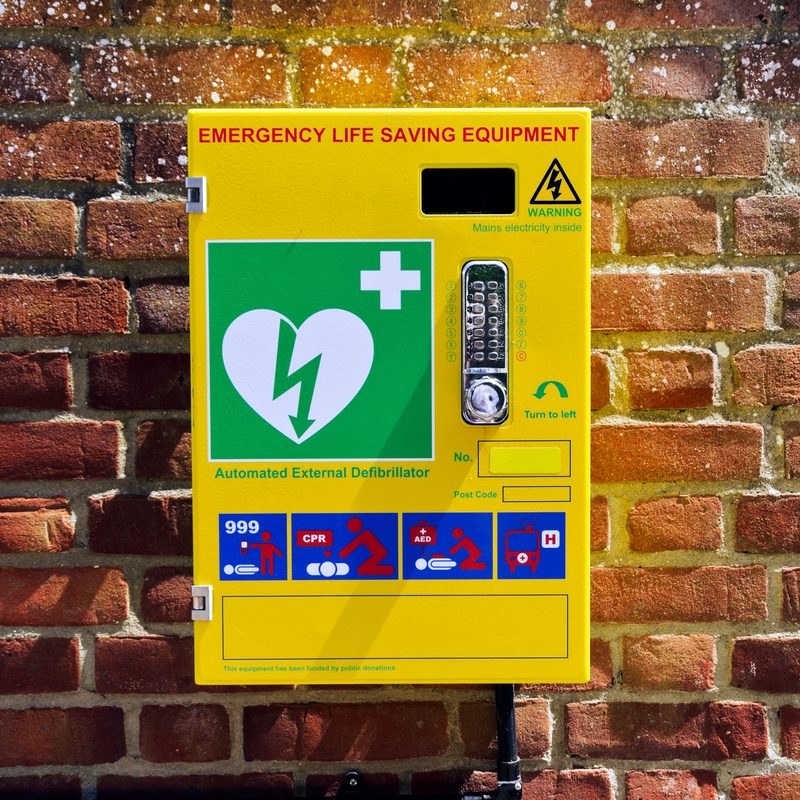
Automated External Defibrillator
Automated External Defibrillator
aed
To complete this qualification learners should expect to undertake approximately 5 hours of learning, with a minimum contact time of 4 hours.
This qualification is aimed at individuals wishing to take further training or to develop their knowledge and skills in this basic life support. It is recommended for first-aiders in the workplace and is also suitable for schoolchildren, as recommended by The Resuscitation Council (UK).
Candidates must be physically able to carry out the procedures detailed in the course syllabus and be able to kneel to administer Basic life Support (BLS).
Continuous assessment.
An AED certificate, valid for 1 year.
£29.99
£35.99
350
Be able to manage an unresponsive casualty who is breathing normally
Demonstrate how to place an unresponsive casualty in the recovery position
Be able to manage an unresponsive casualty who is not breathing normally
Recognise the need to commence cardiopulmonary resuscitation
Perform cardiopulmonary resuscitation on a manikin
Know how to safely use an automated external defibrillator
Be able to safely use an automated external defibrillator
Automated External Defibrillator training
Automated External Defibrillator training
Promet Logo
Popular
This course will provide candidates with the skills and knowledge on how to quickly and effectively perform Basic Life Support and use a defibrillator on a casualty.
First Aid
Promet
4
Defibrillators are easy to use but for many they can be a daunting prospect. This course can help to ease the fear of using a defibrillator by showing the user that they are user-friendly and have safety features that prevent incorrect use.
Automated External Defibrillator Course | Promet
Explore Promet’s Automated External Defibrillator course, including syllabus, duration and suitability. Enquire about open or in-house training.
Basic life support and confident defibrillator use. Takes the fear out of a device that is designed to be used by anyone.
Half day
Emergency First Aid At Work
efaw-worcester-11-jan-27
January 11, 2027
January 11, 2027
Worcester
12
Emergency First Aid at Work at St Richards Hospice, Wildwood Drive, Worcester, WR5 2QT. 9am–5pm.
Accredited first aid course at St Richard’s Hospice, Worcester, open to workplaces and the public.
efaw
Emergency First Aid At Work
efaw-worcester-10-nov-26
November 10, 2026
November 10, 2026
Worcester
12
Emergency First Aid at Work at St Richards Hospice, Wildwood Drive, Worcester, WR5 2QT. 9am–5pm.
Accredited first aid course at St Richard’s Hospice, Worcester, open to workplaces and the public.
efaw
First Aid At Work
faw-27-oct-26
October 27, 2026
October 29, 2026
Cleobury Mortimer
12
faw
Paediatric First Aid (Blended)
pfa-19-oct-26
October 19, 2026
October 19, 2026
Hereford
12
https://www.st-michaels-hospice.org.uk/
Accredited blended Paediatric First Aid courses hosted at St Michael's Hospice, open to workplaces and the public. Day 1 is completed online, and all online learning must be completed in full before attending the in-person training day. We donate 15% of our profit per attendee back to the hospice.
paediatric-first-aid
Welcome to the new Promet website
welcome-to-the-new-promet-website
Our new website is live, with a refreshed design and clearer ways to find training, book an open course and revisit your first aid knowledge.
Whether you are organising training for a workplace or booking a place for yourself, here is what you can explore.
If you are unsure which course you need, we are still here to help. The website is a starting point—not a replacement for a conversation.
Explore online learning
Our online course range covers first aid, mental health and workplace health and safety topics.
You can review the course information and purchase online training through the website. The Promet team will arrange learner access after your purchase; it is not issued instantly at checkout.
Keep practising between courses
First aid knowledge is worth revisiting before you need it.
Our free first aid practice section brings together nine short scenarios and quizzes. Explore situations involving choking, heavy bleeding, stroke and other emergencies, make your choices and read the explanations.
They are a useful way to refresh your thinking between courses, not a substitute for practical training or renewing your qualification.
You can also browse the Promet blog for guidance on first aid, mental health and workplace training, and share useful articles with colleagues.
Take a look around
The new layout works across phones, tablets and computers, so you can check a date on your phone or compare training options at your desk.
Our new website is live. Explore clearer course information, online booking and nine free first aid practice activities to revisit between courses.
Promet Team
November 4, 2026
This is some text inside of a div block.
What to do if someone collapses: CPR in the first few minutes
what-to-do-if-someone-collapses-cpr
Restart a Heart Day was on Friday 16 October. Up and down the country, people spent part of the day practising CPR, many of them for the first time. If you were one of them, this is a good week to go over the steps again while they are fresh. If you weren't, this article is for you too.
When someone suddenly collapses, the first few minutes matter most. You do not need to be a doctor or a nurse to help. You need to know a handful of simple steps, and to be willing to start. The steps below follow the Resuscitation Council UK (RCUK) Guidelines 2025, which are the current guidance in the UK.
Step 1: Make sure it is safe
Before you go to the person, take a second to look around. Is there traffic, fire, electricity or anything else that could hurt you? You cannot help anyone if you become a casualty yourself. If the area is safe, go to them.
Step 2: Check for a response
Kneel beside them, gently shake their shoulders and ask loudly, "Are you all right?" If they answer, move or open their eyes, they are responsive. Stay with them, find out what has happened and get help if they need it.
Step 3: Call 999 straight away
If they do not respond, call 999 now, or ask someone nearby to do it. RCUK's 2025 guidance is clear on this: call for anyone who is unresponsive, before you have finished checking their breathing.
Put the phone on speaker and keep it next to you. The call handler will stay on the line, ask you simple questions and talk you through what to do. If you are not sure whether someone is breathing normally, they will help you decide.
Step 4: Send someone for a defibrillator
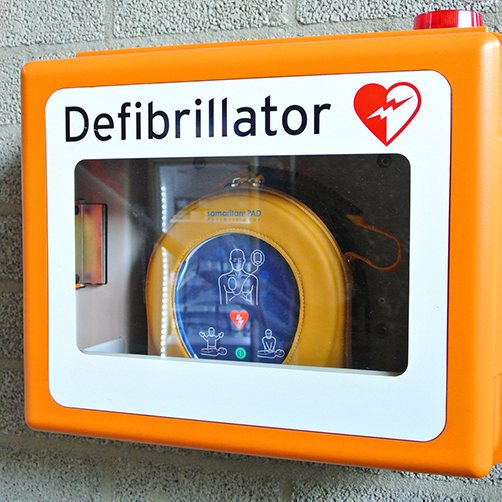
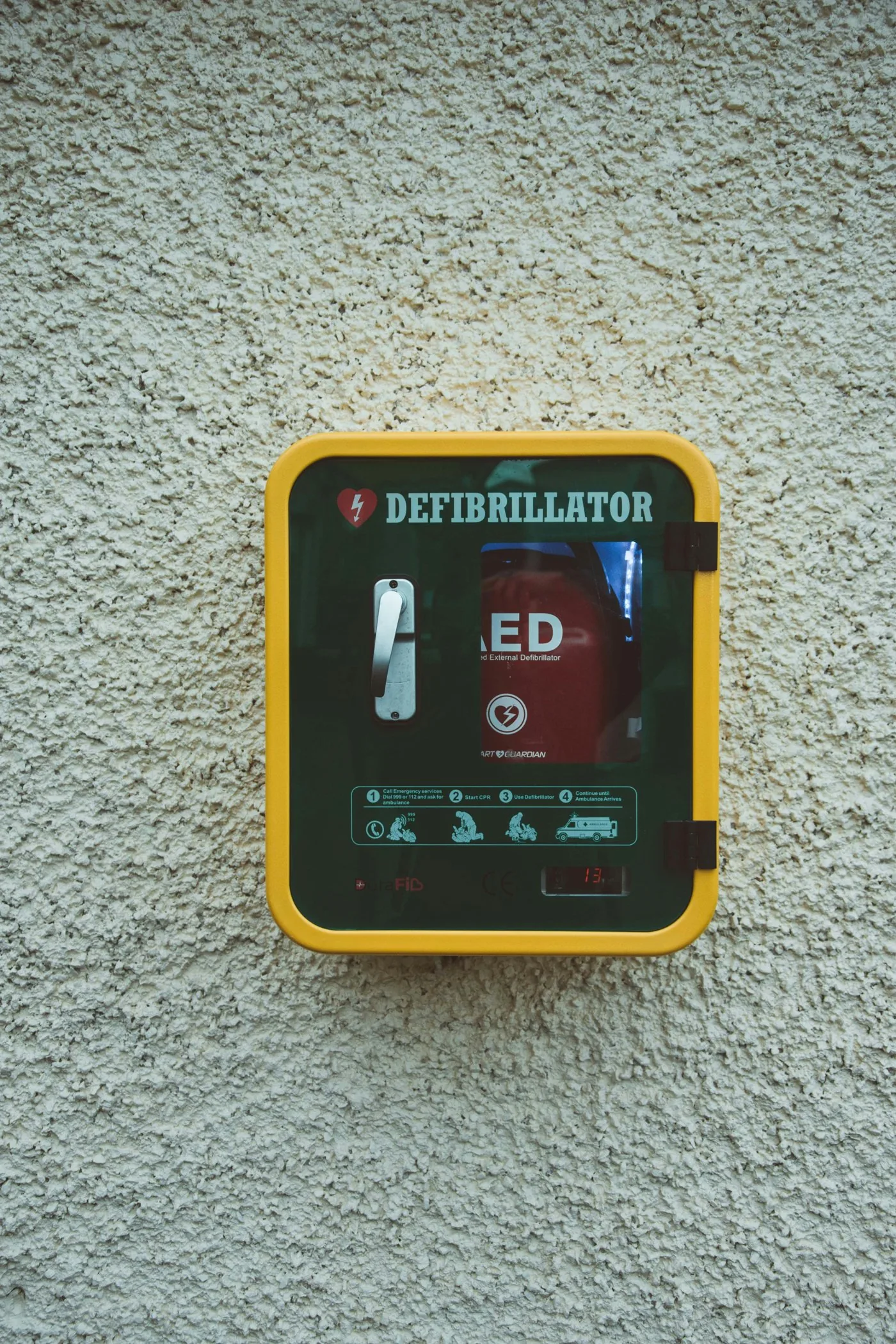
If there is anyone else around, ask them to find a defibrillator (an AED) and bring it to you. Many workplaces, shops and community buildings have one. The 999 call handler can tell you where the nearest registered public defibrillator is.
Step 5: Check their breathing
Open the airway by gently tilting their head back and lifting the chin. Then look, listen and feel for normal breathing for no more than 10 seconds.
Watch out for gasping. In the first minutes after the heart stops, some people take slow, noisy, irregular breaths. This is not normal breathing. If someone is unresponsive and gasping, or not breathing normally, treat it as cardiac arrest and start CPR.
Step 6: Start chest compressions
This is the part that keeps blood moving to the brain until help arrives.
Place the heel of one hand in the centre of the chest, on the lower half of the breastbone, with your other hand on top.
Keep your arms straight and push down 5 to 6 cm.
Go at 100 to 120 compressions a minute, roughly two a second.
Let the chest come fully back up after each push, without taking your hands off.
If you have been trained in rescue breaths and are willing to give them, give 2 breaths after every 30 compressions. If you have not, or you would rather not, keep going with continuous chest compressions. Doing compressions is far better than doing nothing while you worry about the breaths.
It is hard work. If someone else is there, swap over about every two minutes, with as short a pause as you can manage.
When the defibrillator arrives, switch it on and follow its spoken instructions. It will tell you where to put the pads and will only advise a shock if one is needed. Keep compressions going whenever it tells you to.
Keep going
Carry on with CPR until a paramedic takes over, the person starts to wake up, moves, opens their eyes and breathes normally, or you are too exhausted to continue.
If they are breathing normally but not responding, and you do not think they have been injured, put them in the recovery position and keep checking their breathing. If you think they may have been injured, for example after a fall, or if their breathing is not normal, do not use the recovery position. If their breathing stops or becomes abnormal, start CPR again.
Why practising makes the difference
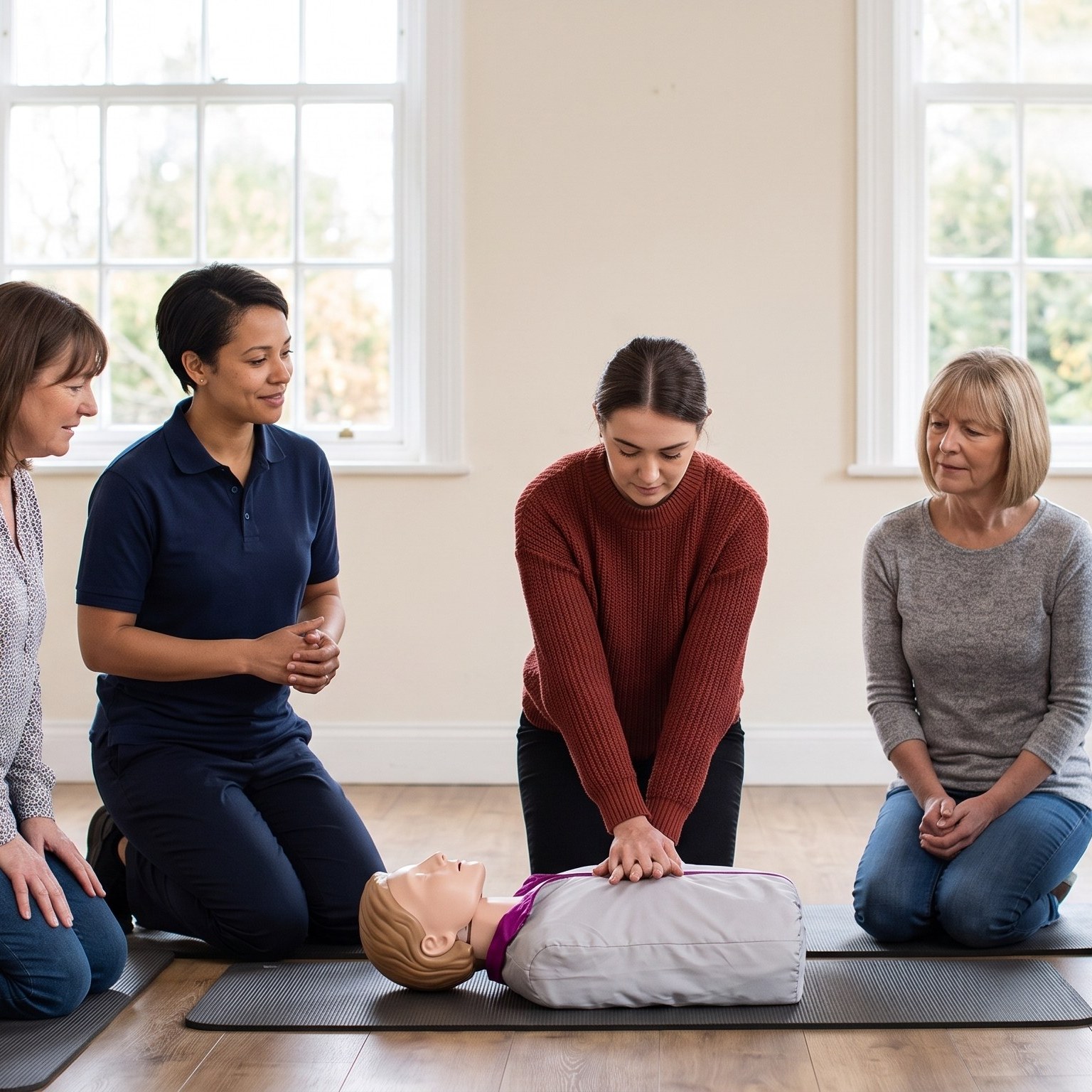
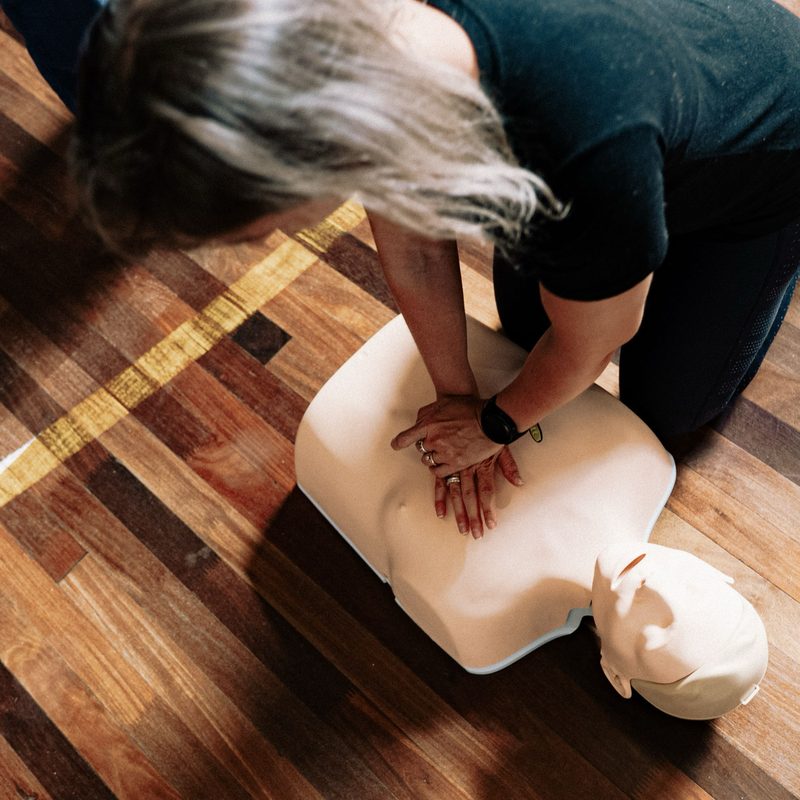
Most people who freeze in an emergency are not short of courage. They are unsure what to do first. Practising on a manikin, with a trainer watching your hand position, depth and speed, turns a list of steps into something your body remembers. It also helps you get past the worry about doing it wrong.
Frequently asked questions
Do I have to give rescue breaths?
No. If you have not been trained, or you are not comfortable giving them, do continuous chest compressions. The 999 call handler will guide you.
What if I am on my own?
Call 999 on speaker, then start compressions straight away. Tell the call handler you are alone and follow their instructions.
What if I am not sure they are in cardiac arrest?
If someone is unresponsive and not breathing normally, start CPR. You will not be on your own: the call handler will help you decide and talk you through each step.
Learn it properly, in a day
Reading the steps helps. Practising them is what builds confidence. CPR is a core part of our one-day Emergency First Aid at Work course, alongside choking, bleeding and the recovery position, with plenty of hands-on practice. If you would like to brush up first, our earlier post on CPR tips for Heart Month covers the basics too.
How to do CPR if someone collapses: call 999, start chest compressions and send for a defibrillator. Plain steps in line with Resuscitation Council UK 2025.
Promet Team
October 21, 2026
This is some text inside of a div block.
Our Law Series: Benedict’s Law
our-law-series-benedicts-law
Allergic reactions can happen quickly. In most cases, symptoms are mild and manageable. But in some cases, an allergic reaction can become anaphylaxis, which is a serious and potentially life-threatening medical emergency.
For schools, this matters because children may spend a large part of their day away from parents, carers and medical support. Staff may be the first people to notice that something is wrong. They may also be the people who need to respond while emergency help is on the way.
That is why Benedict’s Law is such an important development.
Benedict’s Law is the name given to new national allergy safety protections for schools in England. It follows the death of five-year-old Benedict Blythe, who died from anaphylaxis at school in 2021. The campaign led by his family has helped bring national attention to the need for stronger, more consistent allergy safety arrangements in education settings.
The aim is straightforward: schools should have clear policies, trained staff, accurate information, and emergency arrangements in place so that allergic reactions are recognised and responded to properly.
For first aid, the message is clear. Allergy safety is not only about avoiding allergens. It is also about knowing what to do if prevention fails.
What Is Benedict’s Law?
Benedict’s Law introduces a more consistent national approach to allergy safety in schools. It is expected to require schools in England to have stronger arrangements around allergy awareness, prevention and emergency response.
The key areas include:
whole-school allergy policies
staff training on allergies and anaphylaxis
individual healthcare or allergy action plans for pupils with known allergies
better communication and record-keeping
access to emergency medication where appropriate
clear emergency response procedures
The purpose is not simply to create another policy document. It is to make sure schools are practically prepared.
In a real emergency, staff need to know how to recognise the signs of a severe allergic reaction, how to raise the alarm, how to follow the pupil’s care plan, and how to support the child until professional medical help arrives.
Why Allergy Safety Matters In Schools
Schools are busy environments. Children move between classrooms, lunch areas, playgrounds, trips, clubs and activities. Food may be brought from home, served on site, shared between pupils, or used during lessons and events.
That makes allergy management a whole-school issue.
A child with a known allergy may already have an individual healthcare plan and prescribed medication. But severe allergic reactions can also occur in children who have not previously been diagnosed. That means allergy awareness cannot sit with one member of staff or one department only.
Everyone does not need to become a medical expert. But staff do need enough awareness to spot when something may be seriously wrong and respond quickly.
Where First Aid Fits In
Benedict’s Law is not a replacement for first aid training. It sits alongside the wider need for schools to have suitable first aid arrangements.
First aid training gives staff the practical confidence to respond when a pupil becomes suddenly unwell. In the context of allergies and anaphylaxis, that can include understanding:
the difference between a mild allergic reaction and a severe reaction
common signs of anaphylaxis
when to call 999
how to keep the child safe while help is on the way
how to support breathing and circulation
what to do if the child becomes unresponsive
how emergency medication fits into the school’s wider response plan
Anaphylaxis can affect breathing, circulation and consciousness. That makes it a first aid emergency as well as an allergy management issue.
A good policy is important, but it is only useful if staff understand it, practise it, and know how to act under pressure.
Recognising Anaphylaxis
One of the biggest challenges in an emergency is recognising the seriousness of what is happening.
Symptoms of an allergic reaction can vary. They may include skin changes, swelling, itching, stomach pain, vomiting, coughing, wheezing, breathing difficulty, dizziness, collapse or confusion.
Anaphylaxis should always be treated as a medical emergency. If a child appears to be having a severe allergic reaction, staff should follow the school’s emergency procedure, use the pupil’s allergy action plan where one exists, call 999, and seek appropriate first aid support immediately.
This is where training matters. In a stressful situation, people are more likely to act calmly if they have already been taught what to look for and what steps to take.
The Importance Of Allergy Action Plans
For pupils with known allergies, an individual healthcare plan or allergy action plan can make a major difference.
A clear plan should help staff understand:
what the child is allergic to
what symptoms to look for
what medication may be needed
where medication is kept
who should be contacted
what emergency steps should be followed
But the plan must be usable. It should not be buried in a file that staff cannot access quickly. It needs to be understood by the people who may actually be with the child when an incident happens.
That includes lunchtime supervisors, teaching assistants, supply staff, trip leaders, office staff and after-school club staff where relevant.
Benedict’s Law reinforces a practical point: safeguarding pupils with allergies cannot depend on one person remembering everything. The system has to support the response.
Emergency Medication And Staff Confidence
One of the major areas linked to Benedict’s Law is access to emergency adrenaline auto-injectors, often known as AAIs, where appropriate.
Medication arrangements must always follow the school’s policy, the pupil’s healthcare plan, parental consent, medical guidance and current legal requirements. But from a first aid perspective, staff confidence is crucial.
In an emergency, hesitation can happen when people are unsure:
whether symptoms are serious enough
who is allowed to act
where medication is stored
how to use an adrenaline auto-injector
what to do after it has been given
Training helps reduce that uncertainty. It gives staff a clearer understanding of their role and the importance of acting promptly when a severe allergic reaction is suspected.
Prevention Still Matters
First aid is the emergency response. It should not be the whole strategy.
Schools also need sensible prevention measures. That may include good communication with parents and carers, clear food procedures, awareness during school trips, careful planning for events, staff briefings, and age-appropriate pupil education.
However, no prevention system is perfect. Allergens can be hidden, mislabelled, accidentally shared or misunderstood. That is why schools need both prevention and emergency preparedness.
Benedict’s Law is important because it brings those areas together. It recognises that allergy safety is not just a catering issue, a classroom issue, a medical issue or a first aid issue. It is all of them.
What Should Schools Do Now?
Schools should not wait until the last moment to review their arrangements. The practical questions are straightforward:
Do we have an up-to-date allergy policy?
Do we know which pupils have diagnosed allergies?
Are healthcare plans current, accessible and understood?
Do staff know how to recognise anaphylaxis?
Do staff know what to do in an emergency?
Is medication stored safely but accessibly?
Are lunchtime, trip and after-school arrangements covered?
Are first aiders confident in responding to serious allergic reactions?
Do new, temporary and support staff know the procedure?
These questions are not about paperwork for its own sake. They are about whether the school could respond quickly and effectively if a child had a severe allergic reaction tomorrow.
What Employers Outside Schools Can Learn From This
Although Benedict’s Law is focused on schools, the wider lesson applies to many workplaces.
Allergic reactions can happen in offices, warehouses, training centres, hospitality venues, community spaces and public-facing environments. Employers should consider whether their first aid arrangements are suitable for the people and risks in their setting.
That includes thinking about medical conditions, food arrangements, lone working, visitors, young people, off-site activities and how quickly emergency help could arrive.
The legal framework may be different outside education, but the practical principle is the same: people need clear arrangements, suitable training and the confidence to respond.
Why Training Makes The Difference
In an emergency, people rarely rise to the level of a policy they have never used. They fall back on what they understand and have practised.
That is why first aid training is so important. It gives staff a structure. It helps them recognise danger signs, call for help, give immediate support and stay calm enough to make sensible decisions.
For schools preparing for Benedict’s Law, first aid training should be viewed as part of a wider safety culture. Allergy policies, healthcare plans, communication, medication arrangements and emergency response all need to work together.
The goal is not to frighten staff. It is to prepare them.
When staff know what anaphylaxis can look like, understand the school’s procedure, and have confidence in their first aid role, they are better placed to protect pupils when every minute matters.
Final Thought
Benedict’s Law is a serious and necessary reminder that allergy safety cannot be left to chance.
For schools, the responsibility is both organisational and practical. Policies need to be clear. Information needs to be accurate. Medication arrangements need to be understood. Staff need training. Emergency response needs to be rehearsed before it is needed.
First aid is a key part of that picture.
A severe allergic reaction is frightening, but a prepared school is in a much stronger position to respond quickly, calmly and appropriately. Benedict’s Law should help move allergy safety from good intention to consistent practice.
Book Practical First Aid Training For Your School Or Team
Promet delivers practical first aid training to help staff build confidence, understand their role and respond appropriately in an emergency.
Written by the Promet team
Promet is a Highfield Qualifications approved centre delivering first aid and mental health training at workplaces across the UK, and open courses in Hereford, Worcester and Cleobury Mortimer. More about Promet
Share
Allergy safety, anaphylaxis awareness and emergency preparedness in schools: what Benedict’s Law means for your planning.
Pomet Team
August 4, 2026
This is some text inside of a div block.
Our Law Series: SARAH Act
sarah-act
One of the most common worries people have about first aid is simple:
“What if I do something wrong?”
It is an understandable concern. In an emergency, people may feel pressure, uncertainty and fear. They may worry about making the situation worse, being blamed afterwards, or facing legal consequences if their attempt to help is not perfect.
That fear can stop people from acting. The Social Action, Responsibility and Heroism Act 2015 is relevant because it recognises something important: people who step in to help others should not be judged as if they were acting in calm, ideal conditions.
For first aid, that matters.
What Is The Social Action, Responsibility And Heroism Act?
The Social Action, Responsibility and Heroism Act is a short piece of legislation that applies when a court is considering a claim in negligence or breach of statutory duty.
In simple terms, it says the court must consider whether the person being criticised was:
acting for the benefit of society or others
taking a generally responsible approach
acting heroically by intervening in an emergency to help someone in danger
That does not mean someone can act carelessly and automatically be protected. It does not remove the need for proper training, sensible judgement or safe practice.
But it does mean the law recognises the difference between reckless behaviour and a genuine attempt to help.
What Does This Mean For First Aid?
In first aid, people are often dealing with urgent, stressful and unpredictable situations.
Someone may have collapsed. Someone may be bleeding. Someone may be unconscious, choking, having a seizure, suffering a suspected heart attack, or needing CPR.
In those moments, the biggest risk is often hesitation.
The Act helps support the principle that people who act responsibly and in good faith should not be discouraged from helping because they are afraid of being sued.
That is a useful message for workplaces, community groups, sports clubs, venues and anyone responsible for staff or public safety.
It Does Not Mean “Anything Goes”
This is the important caveat.
The Social Action, Responsibility and Heroism Act does not give first aiders complete legal immunity.
It does not mean:
training no longer matters
competence no longer matters
first aiders can ignore what they have been taught
employers can avoid proper first aid arrangements
poor or reckless decisions will automatically be excused
A trained first aider should still act within the limits of their training. Employers should still carry out first aid needs assessments, provide suitable equipment, appoint or train appropriate people, and make sure staff know what arrangements are in place.
The Act is reassurance, not a replacement for good practice.
Why Training Still Matters
The best way to reduce fear is not just to tell people they are unlikely to be sued.
The best way is to train them properly.
Good first aid training helps people understand what to do, what not to do, and how to stay calm enough to make sensible decisions. It gives people a structure to follow when the situation feels chaotic.
For example, first aid training helps people practise how to:
assess danger before approaching
check responsiveness and breathing
call for emergency help
start CPR
use a defibrillator
control bleeding
place someone in the recovery position
manage choking, seizures, shock and common workplace injuries
know when to step back and wait for emergency services
That practical confidence is what makes the difference.
The law may recognise responsible action, but training helps people take responsible action in the first place.
The “What If I Get Sued?” Question
This fear comes up regularly in first aid conversations.
The honest answer is that nobody can say legal claims are impossible. But in the UK, the bigger practical concern is usually that someone who could have helped does not act because they are frightened of getting it wrong.
The Social Action, Responsibility and Heroism Act helps challenge that fear.
If someone acts sensibly, in good faith, and within the limits of what they know, the law can take the circumstances into account.
That is a reassuring message, especially for people who are nervous about using their first aid training in a real emergency.
Doing Something Reasonable Is Often Better Than Doing Nothing
First aid is not about perfection.
It is about giving immediate help until professional support arrives.
In some situations, doing nothing can carry serious consequences. If someone is not breathing normally, starting CPR and getting a defibrillator could give them their best chance of survival. If someone is bleeding heavily, applying pressure quickly can make a real difference.
People do not need to be fearless to help. They need enough knowledge and confidence to take sensible action.
That is where proper training comes in.
What Should Employers Take From This?
For employers, the Act is not a reason to relax first aid standards. If anything, it is a reminder that people are more likely to step in when they feel prepared.
A sensible workplace approach includes:
carrying out a proper first aid needs assessment
making sure there are enough trained first aiders
keeping first aid equipment accessible and maintained
making sure staff know who the first aiders are
refreshing training before confidence fades
encouraging a culture where helping others is supported
making emergency procedures clear and realistic
First aid arrangements should not just exist on paper. Staff should understand them.
Confidence Is The Practical Benefit
The Social Action, Responsibility and Heroism Act sends a useful message: responsible people who try to help others should not be discouraged by fear.
But the real confidence comes when that message is backed by proper training.
When people have practised CPR, used a training defibrillator, worked through realistic scenarios and asked the questions they are worried about, they are more likely to act when it matters.
That is the practical goal.
Not turning everyone into a medical professional.
Not pretending emergencies are easy.
But helping ordinary people feel capable of doing something useful, safe and responsible when someone needs help.
Book Practical First Aid Training For Your Team
If your team is unsure what they would do in an emergency, that is the right time to review your first aid training.
Promet delivers practical workplace first aid training that helps learners build confidence, understand their role, and act appropriately when it matters.
Written by the Promet team
Promet is a Highfield Qualifications approved centre delivering first aid and mental health training at workplaces across the UK, and open courses in Hereford, Worcester and Cleobury Mortimer. More about Promet
Share
How the Social Action, Responsibility and Heroism Act relates to acting responsibly when helping someone in an emergency.
It does not replace existing health and safety law. It also does not mean every workplace suddenly needs to become a specialist emergency response team.
But it does create an important question for organisations: if something serious happened, would your staff know what to do, and would your first aid arrangements still make sense?
First Aid Is Part Of Wider Emergency Preparedness
Workplaces already have duties around first aid needs assessments, trained first aiders, suitable equipment and clear arrangements for dealing with illness or injury at work.
Martyn’s Law sits in a different area, focusing on public protection procedures such as evacuation, invacuation, lockdown and communication. However, in a real emergency, those procedures do not exist in isolation.
If people are injured, first aid arrangements become part of the wider response. That means organisations should think about how first aid links with their emergency plans. For example:
Who raises the alarm?
Who contacts the emergency services?
Where is first aid equipment kept?
Would staff know what to do during a lockdown or evacuation?
Can first aiders act without putting themselves at unnecessary risk?
How would casualties be handed over to the emergency services?
These are practical questions, not just compliance questions.
A Wider View Of First Aid Needs
For premises covered by Martyn’s Law, it may be sensible to review the existing first aid needs assessment with serious incidents in mind.
This is especially relevant for public-facing environments, venues, hospitality, retail, leisure, education settings, places of worship, large workplaces and organised events.
The level of planning should be proportionate. A small workplace will not need the same arrangements as a large venue or event. But the principle is the same: first aid provision should reflect the real risks, layout, footfall, staffing levels and type of activity taking place.
For larger or higher-risk settings, that may include thinking about trauma-focused first aid, catastrophic bleeding awareness, bleed control kits, communication between first aiders and security staff, and how first aid support would work if parts of the site were locked down or evacuated.
Staff Awareness Matters
One of the biggest risks in any emergency is confusion.
Procedures are only useful if people understand them. Martyn’s Law places emphasis on practical preparedness, which means staff need to know how to respond quickly and safely.
From a first aid perspective, that means staff should understand:
how to get help quickly
who the first aiders are
where equipment is located
what to do if they are told to evacuate, invacuate or lock down
when not to put themselves in danger
how to follow instructions from emergency services or site leads
This does not mean every member of staff needs advanced medical training. But it does mean first aid arrangements should be visible, understood and connected to the wider emergency plan.
First Aiders Should Not Be Put At Unnecessary Risk
This point matters.
The official guidance around Martyn’s Law is based on what is appropriate and reasonably practicable. Staff are not expected to take actions that compromise their own safety.
That is important for first aiders too. In a hostile or uncertain situation, first aid response has to be balanced with personal safety, site procedures and emergency service advice.
Good training helps people understand what they can do, what they should not do, and how to respond calmly under pressure.
What Should Organisations Do Now?
Martyn’s Law is a good prompt for organisations to review whether their first aid arrangements are realistic and joined up.
A sensible review might include:
checking whether the premises or events are likely to fall within scope
Reviewing first aid needs assessments
checking first aider numbers and training cover
reviewing first aid equipment and access to it
considering whether trauma or bleed control training is appropriate
linking first aid arrangements with evacuation, invacuation, lockdown and communication plans
making sure staff know what to do in an emergency
practising procedures where appropriate
The goal is not to create fear. It is to improve readiness.
Practical Training Builds Confidence
In a serious incident, people need clear plans, calm decision-making and practical skills.
First aid training plays an important role in that. It helps staff understand how to respond, how to use equipment, how to support casualties, and how to act within the limits of their role and safety.
For public-facing organisations, venues and larger workplaces, Martyn’s Law is a timely reminder that first aid should not be treated as a tick-box requirement. It should be part of a practical, joined-up emergency response.
Review Your First Aid Preparedness
If your organisation is reviewing its emergency arrangements in light of Martyn’s Law, Promet can help you look at the first aid side of the picture.
We deliver practical workplace first aid training designed to build confidence, improve readiness and help staff know what to do when it matters. View our first aid courses or contact us.
Written by the Promet team
Promet is a Highfield Qualifications approved centre delivering first aid and mental health training at workplaces across the UK, and open courses in Hereford, Worcester and Cleobury Mortimer. More about Promet
Share
Learn how Martyn’s Law relates to workplace first aid, emergency preparedness, staff awareness, serious incident planning, and joined-up safety arrangements.
Promet Team
July 21, 2026
This is some text inside of a div block.
Our First Aid Course Feedback
first-aid-feedback
First aid training should leave people feeling more capable, more confident, and better prepared to act when it matters.
That is why learner feedback is so important to us. It gives us a clear view of what is working, what people value most, and where small improvements can still be made.
Practical Training That Builds Confidence
Across our course feedback, including responses submitted this year, the message from learners has been consistent: practical, well-delivered training makes a real difference.
From our submissions, 99.6% of learners said they would recommend the course to a colleague. Average ratings were also consistently high, with scores of 5.92 out of 6 for the course overview, 5.89 for course content, 5.91 for training methods, and 5.96 for the trainer.
The numbers are encouraging, but the comments are more useful because they show why learners found the training valuable.
One learner described the course as “clear, informative and confidence building.” Another said it was “very interesting, very well taught and informative.”
Why Hands-On Learning Matters
A common theme was confidence. Many learners said the course helped them feel more prepared to deal with real emergencies, especially around CPR and defibrillator use. These are the moments where confidence matters. People do not just need to know the theory; they need to feel able to act.
Learners also valued the practical nature of the training. Hands-on exercises, realistic examples, and clear demonstrations were mentioned repeatedly. Several people highlighted the benefit of practising interactive CPR and using training equipment, rather than simply being told how they were doing by the trainer.
One learner said that learning how to properly use a defibrillator was “eye opening” and could save precious time in an emergency. Another commented that the practical parts of the course helped make the learning feel relevant and memorable.
Trainer Feedback Was Especially Strong
Trainer feedback was particularly strong. Learners regularly mentioned clear explanations, real-life examples, humour, and the ability to make serious content engaging without losing the importance of the subject.
One comment summed this up well: “Will is a brilliant and entertaining teacher who brings real life situations and fun to what can be a really boring topic. He made first aid relevant and interesting.” Another learner said: “The trainer was easily the best trainer I’ve had on any course I have attended. Very engaging, kept it relaxed and light hearted at times, and ensured we were all learning along the way.”
A Better Course Experience From Start To Finish
Good training is not only about strong delivery in the room. It is also about making the course experience clear, comfortable, and relevant from start to finish. The feedback shows that learners value first aid training most when it is practical, realistic, and delivered in a way that builds genuine confidence. That is exactly what we aim to provide at Promet: training that people can understand, remember, and use when it counts.
Book Practical First Aid Training For Your Team
If your team needs first aid training that is practical, engaging, and built around real workplace confidence, Promet can help.
We deliver training that helps learners understand what to do, practise the skills properly, and leave feeling more prepared to act in an emergency.
Promet is a Highfield Qualifications approved centre delivering first aid and mental health training at workplaces across the UK, and open courses in Hereford, Worcester and Cleobury Mortimer. More about Promet
Share
What learners say about Promet’s practical training, CPR practice and the confidence to help in an emergency.
Promet Team
July 14, 2026
This is some text inside of a div block.
HSE First Aid Inspection Guide
hse-inspection-first-aid-arrangements
When an HSE inspection happens, first aid is one of those areas that quickly reveals whether your workplace is genuinely prepared or just box-ticking.
The good news: compliance is not about having the fanciest kit. It is about being able to show that your first aid arrangements are adequate, appropriate, and based on real risk.
This guide explains what HSE inspectors are likely to look for and how to make sure your organisation is ready.
1) A Clear First Aid Needs Assessment
Your first aid provision should be based on a documented needs assessment, not guesswork.
Inspectors will expect you to show that you have considered workplace hazards, headcount, shift patterns, lone workers, layout, accident history, and access to emergency services.
2) Trained People at the Right Level
HSE expects first aid cover that matches risk and staffing levels. That usually means making sure the right people hold in-date EFAW or FAW certification and that cover exists across all shifts.
3) Suitable Equipment and Facilities
A first aid box alone is not enough. Inspectors look for equipment that is suitable for your risks, easy to access, and regularly checked.
4) Staff Know the Arrangements
Even good arrangements fail if nobody knows about them. Staff should know who first aiders are, where kits are kept, and how to summon help quickly.
5) Evidence of Ongoing Maintenance
Strong organisations can show simple records: training expiry dates, first aid kit checks, incident logs, and periodic review of their needs assessment.
6) Real-World Readiness
The practical question behind every inspection point is simple: if someone is injured right now, will your team respond quickly and correctly?
Learn what HSE inspectors look for in workplace first aid arrangements, from needs assessments to training cover, equipment, and staff awareness.
Promet Team
February 25, 2026
This is some text inside of a div block.
Heart Month 2026: Vital CPR Tips
heart-month-2026
February marks Heart Month 2026, a crucial time to shine a spotlight on cardiovascular health and the life-saving skill that could help you save someone experiencing a cardiac arrest – CPR.
When someone's heart stops beating, blood stops flowing to the brain and other vital organs. Brain damage can begin within just 3-4 minutes without oxygen, and death can occur within 8-10 minutes. That's an incredibly narrow window.
The average ambulance response time in the UK is around 7-8 minutes for life-threatening emergencies. While paramedics are incredible at what they do, they can't teleport to the scene. This is where you come in. By performing CPR immediately, you're manually pumping blood around the body, buying precious time until professional help arrives.
The Reality Check: Most People Are Scared to Help
Let's be honest, most people freeze when faced with a medical emergency. There's a fear of doing something wrong, making things worse, or being held responsible if the outcome isn't positive. These fears are completely understandable, but they shouldn't stop you from acting.
The UK Resuscitation Council provides clear, evidence-based guidelines that are regularly updated. Here's what you need to do if you encounter someone who's collapsed and unresponsive:
1. Check for Danger
Before rushing in, quickly assess the scene. Is it safe for you to approach? If there's immediate danger (fire, traffic, hazardous materials), don't put yourself at risk.
2. Check for Response
Gently shake the person's shoulders and shout, "Are you alright?" Look for any signs of response, movement, groaning, eye-opening.
3. Call 999 immediately
If the person is unresponsive, call 999 immediately, ideally using speakerphone. Ask a bystander to call if available. Assess breathing while waiting for the call to be answered and follow the call handler’s instructions.
4. Open the Airway and Check Breathing
Tilt the person's head back gently and lift their chin. Look, listen, and feel for normal breathing for no more than 10 seconds. Occasional gasps don't count as normal breathing, this is called agonal breathing and requires immediate CPR.
5. Start Chest Compressions Immediately
Don't delay. Here's how to perform effective chest compressions:
Position: Kneel beside the person and place the heel of one hand on the centre of their chest (on the breastbone). Place your other hand on top and interlock your fingers.
Depth: Push down firmly 5-6 cm (about 2 inches). This might feel forceful, but it needs to be.
Rate: Compress at a rate of 100-120 compressions per minute. Think of the Bee Gees' "Stayin' Alive" (yes, really — it's the perfect tempo).
Allow full recoil: Let the chest come back up completely between compressions.
Minimise interruptions: Keep going. Don't stop unless the person shows signs of life, a professional takes over, or you're physically unable to continue.
6. Use an AED if Available
Automated External Defibrillators (AEDs) are designed for the public to use. They provide clear voice instructions and can analyse the heart's rhythm to determine if a shock is needed. Continue CPR while the AED is being set up, and follow its prompts exactly.
For anyone nervous about using an AED, we've written a helpful guide on overcoming AED fear that might put your mind at ease.
What About Rescue Breaths?
If you're trained and confident, the UK Resuscitation Council recommends 30 chest compressions followed by 2 rescue breaths. However, if you're untrained or uncomfortable giving rescue breaths, continuous chest compressions alone are still highly effective and far better than doing nothing.
CPR in the Workplace: A Business Priority
Heart Month 2026 is an ideal time for businesses to evaluate their emergency preparedness. Cardiac arrests don't just happen at home: they occur in workplaces, gyms, shopping centres, and public spaces every day.
Under the Health and Safety (First-Aid) Regulations 1981, employers must provide adequate first aid provisions. While the specifics depend on workplace risks and size, having team members trained in CPR and emergency response is not just good practice: it's often a legal and moral obligation.
Imagine this scenario: a colleague collapses at their desk. Would your team know what to do? Would they feel confident to act? Or would everyone stand frozen, unsure and scared, while precious minutes tick away?
Investing in proper first aid training creates a workplace culture where people feel empowered to respond, not paralysed by fear.
Why Proper Training Makes All the Difference
Reading about CPR online is valuable, but it's no substitute for hands-on training. Proper courses give you the chance to practise on manikins, receive feedback from qualified instructors, and build genuine confidence in your abilities.
At Promet, we deliver accredited first aid training courses across the UK, designed to equip individuals and teams with practical, life-saving skills. Our courses cover:
CPR techniques for adults, children, and infants
How to use an AED effectively
Recognising and responding to cardiac arrests
Managing other medical emergencies
Our instructors follow UK Resuscitation Council guidelines and create a supportive, pressure-free environment where questions are encouraged and everyone leaves feeling prepared.
Small Actions, Massive Impact
Heart Month 2026 reminds us that cardiovascular disease remains the UK's biggest killer, but it's also largely preventable and treatable: especially when people like you are equipped to respond.
Learning CPR isn't about becoming a medical professional. It's about being ready to help when someone needs it most. It's about giving someone a fighting chance while the ambulance is on its way. It's about becoming part of a community of everyday lifesavers.
Take Action This Heart Month
Heart Month is a reminder to keep these skills fresh throughout the year. Whether you're an individual wanting to learn a vital skill, a manager responsible for your team's safety, or a business owner looking to enhance workplace preparedness, there's no better time to invest in CPR training.
Every person trained in CPR is another potential lifesaver in our communities. You could be standing in a coffee shop, attending a meeting, or walking through a park when someone collapses. In that moment, your knowledge could be the difference between life and death.
Promet is a Highfield Qualifications approved centre delivering first aid and mental health training at workplaces across the UK, and open courses in Hereford, Worcester and Cleobury Mortimer. More about Promet
Share
Many people hesitate in a cardiac emergency because they fear getting CPR wrong.
That's not a knowledge gap. That's a confidence gap.
Your workplace might have a shiny defibrillator mounted on the wall, complete with clear signage and easy access. But if your team is too scared to grab it when someone collapses, it might as well be a decorative plaque.
Let's talk about why that fear exists — and more importantly, how proper training from Promet can turn hesitant bystanders into confident lifesavers.
The Psychology Behind AED Anxiety
When someone witnesses a colleague collapse, the brain goes into overdrive. Stress hormones flood the system. Rational thinking takes a back seat. And suddenly, that AED on the wall looks less like a lifesaving tool and more like a terrifying piece of equipment you've never properly used.
This isn't weakness: it's human nature.
Research shows that unfamiliarity with AED devices causes significant delays in emergency response. Participants using unfamiliar defibrillator models took 7 seconds longer to deliver a shock compared to those who'd trained on the same device. Seven seconds might not sound like much, but in cardiac arrest, it could mean the difference between recovery and tragedy.
The fear isn't irrational. It stems from genuine concerns that, without proper education, can paralyse even the most well-meaning responder.
The Five Myths Keeping Your Team From Acting
Let's address the elephants in the room: the misconceptions that stop people from reaching for that AED.
Myth 1: "I Might Shock Someone Who Doesn't Need It"
This is the big one. People imagine accidentally delivering an electric shock to someone who's just fainted or having a panic attack.
The reality? Modern AEDs are remarkably intelligent. They analyse the heart rhythm automatically and will only allow a shock if the person is in a shockable cardiac rhythm. You literally cannot shock someone who doesn't need it: the device won't let you. Press the button all you want; if the heart doesn't require defibrillation, nothing happens.
Myth 2: "I Could Make Things Worse"
Here's the uncomfortable truth: if someone is in cardiac arrest, they're already in the worst possible situation. They're clinically dead. An AED cannot make a cardiac arrest victim's condition worse: it can only help.
The only way to truly make things worse? Doing nothing.
Myth 3: "I'll Get Sued If Something Goes Wrong"
Legal liability concerns rank highly among reasons people hesitate to help. UK common law and legal practice generally protect bystanders who act reasonably and in good faith. The Social Action, Responsibility and Heroism (SARAH) Act 2015 also instructs courts to consider whether someone was acting responsibly or heroically when deciding negligence claims, which provides additional reassurance
AEDs are specifically designed for use by laypeople. They provide clear voice prompts, visual instructions, and step-by-step guidance. You don't need a medical degree: you need confidence and basic familiarity with the device.
That said, confidence doesn't appear from nowhere. It's built through training.
Training doesn't just teach you which buttons to press. It rewires your stress response. When you've practised the steps multiple times — opening the case, applying the pads, following the prompts — your brain builds muscle memory. In an emergency, you don't have to think. You just do.
This is why Promet's AED training course focuses heavily on hands-on practice. Reading about defibrillators is one thing. Actually using one (even in a training scenario) is transformative.
Building a Confident Response Team
So how do you shift your workplace culture from "someone else will handle it" to "I've got this"?
Step 1: Invest in Proper Training
Generic awareness isn't enough. Your team needs structured, accredited training that covers:
How AEDs work and why they're safe
Recognising cardiac arrest vs. other emergencies
The complete chain of survival
Hands-on practice with actual devices
Integration with CPR techniques
Promet's AED course ticks all these boxes, giving your team the knowledge and confidence to respond effectively. For comprehensive coverage, consider pairing it with our broader First Aid courses to build a truly capable response team.
Step 2: Make the AED Visible and Accessible
An AED locked away in a cupboard is unlikely to save a life. Devices should be placed in high-traffic, clearly visible locations with clear signage. We recommend positioning the AED near an entrance, so everyone sees it as they come in and knows exactly where it is, not just designated first aiders, but everyone on site.
Step 3: Normalise the Conversation
Talk about your AED in team meetings. Include it in induction processes. Run regular refresher sessions. We can help you put all of this in place, because the more familiar an AED becomes, the less intimidating it feels and the more likely people are to act when it matters.
Step 4: Practise Regularly
Skills fade without reinforcement. The HSE recommends annual refresher training for first aid skills, and AED competence is no exception. Regular practice keeps confidence high and response times low.
Step 5: Address Fears Directly
Create a safe space for people to voice their concerns about using an AED. Many of those concerns will be based on myths we've already debunked. Education is the antidote to anxiety.
The Ripple Effect of Confidence
When one person in your workplace becomes confident with an AED, something interesting happens. They talk about it. They reassure colleagues. They demonstrate that it's not as scary as it seems.
Confidence is contagious.
A single training session can transform your entire workplace culture around emergency response. Suddenly, that AED on the wall isn't a source of anxiety: it's a source of security. Your team knows it's there, knows how to use it, and knows they can make a difference if the worst happens.
The technology exists. The devices are in place. The only missing ingredient is confidence.
Promet's accredited AED training is designed specifically to bridge that gap. We don't just teach your team how to use a defibrillator: we give them the confidence to actually do it when it matters most.
Because a defibrillator on the wall is just a box. A defibrillator in confident hands? That's a lifeline.
Promet is a Highfield Qualifications approved centre delivering first aid and mental health training at workplaces across the UK, and open courses in Hereford, Worcester and Cleobury Mortimer. More about Promet
Share
Teams often hesitate to use an AED due to fear of causing harm or legal risk.
Promet Team
January 21, 2026
This is some text inside of a div block.
The Best First Aid Training Guide
choose-the-best-provider
If you're responsible for health and safety at your workplace, you've probably found yourself asking: "How do I actually choose a first aid training provider?" And more importantly: "What does the HSE actually require?"
It's a fair question. There's a lot of confusing information out there, and making the wrong choice could leave your business non-compliant, your staff undertrained, or both.
The good news? Once you understand what the Health and Safety Executive (HSE) genuinely requires (and what it doesn't), choosing the right provider becomes much simpler.
Let's cut through the noise.
The Biggest Myth About First Aid Training in the UK
Here's something that surprises a lot of employers: the HSE does not approve first aid training providers.
That's right. Since 1st October 2013, the HSE stopped offering approval for general workplace first aid courses. So if a provider is claiming to be "HSE approved" or using that phrase as a selling point, that's a red flag.
Instead, the responsibility falls on you — the employer — to carry out due diligence and select a competent training provider that meets HSE quality criteria.
This might sound like extra work, but it actually gives you more flexibility. You're not limited to a short list of approved companies. You just need to know what to look for.
What the HSE Actually Requires
While the HSE doesn't hand out stamps of approval, it does set clear quality standards that any reputable training provider should meet. When evaluating a provider, the HSE says you should consider:
Qualifications and competence of trainers and assessors – Are their instructors properly qualified? Do they have real-world experience?
Quality assurance systems – Does the provider have processes in place to maintain training standards?
Standards and teaching of first aid practice – Is the training up-to-date and in line with current medical guidance?
Syllabus content and certification – Does the course cover everything required?
Proper assessment methods – Are learners being assessed fairly and thoroughly?
The HSE regulations say training should be taught in line with:
current adult basic life support guidelines published by the Resuscitation Council (UK), and
for other aspects of first aid, current guidelines published by the Voluntary Aid Societies (VAS) or other published guidelines supported by a responsible body of medical opinion.
The First Aid Quality Partnership (FAQP) also publishes recommended quality assurance standards for training providers to follow.
How to Choose a Competent First Aid Training Provider
Now for the practical bit. Here's a step-by-step guide to finding a provider you can trust.
1. Look for Recognised Standard Setters
The HSE acknowledges certain organisations as standard-setters in first aid training. These include Voluntary Aid Societies (VAS).
If a provider is one of these, that's a strong indicator of quality. However, it's not the only route to legitimacy.
2. Check Their Accreditation
Training providers can demonstrate competence through several routes:
Regulated qualifications from an awarding organisation recognised by Ofqual, SQA, or the Welsh Government
Voluntary approval schemes accredited by the United Kingdom Accreditation Service (UKAS)
Independent providers who can clearly demonstrate they meet HSE criteria
Don't be afraid to ask a provider directly: "Who accredits your courses, and how do you ensure quality?"
3. Verify Trainer Qualifications
A course is only as good as the person delivering it. Ask potential providers:
What qualifications do your trainers hold?
How much practical experience do they have?
Do they receive ongoing professional development?
A competent trainer should have a recognised teaching qualification, up-to-date first aid credentials, and ideally, hands-on experience in emergency response or healthcare.
4. Confirm the Course Content
Make sure the provider can clearly explain how their training meets HSE syllabus requirements. For a First Aid at Work (FAW) course, this should include:
Managing an unresponsive casualty
CPR and use of an AED (defibrillator)
Treating wounds and bleeding
Managing shock
Dealing with burns, fractures, and other injuries
Recognising and responding to medical emergencies
For an Emergency First Aid at Work (EFAW) course, the syllabus is shorter but should still cover the essentials like CPR, choking, and bleeding control.
If a provider can't tell you exactly what's covered — or their syllabus seems vague — move on.
5. Ask About Assessment Methods
Proper assessment is crucial. Learners should be evaluated on both their knowledge and practical skills. This might include:
Practical demonstrations (e.g., performing CPR on a manikin)
Scenario-based assessments
Written or verbal questioning
Avoid providers who seem to hand out certificates without genuine evaluation. A certificate should mean something.
Understanding Certificate Validity
First aid certificates in the UK are typically valid for 3 years. After that, your staff will need to retrain to stay compliant.
However, here's something many employers overlook: the HSE strongly recommends annual refresher training to keep skills sharp. First aid isn't like riding a bike: if you don't practise, you forget.
When choosing a provider, ask whether they offer refresher courses or top-up training. This can be a cost-effective way to maintain competence without putting everyone through a full course every year.
Red Flags to Watch Out For
Not all training providers are created equal. Here are some warning signs that should make you think twice:
Claims of "HSE approval" – As we've covered, this doesn't exist for general workplace courses.
Unrealistically cheap prices – Quality training costs money. If it seems too good to be true, it probably is.
Vague course descriptions – A reputable provider will be transparent about what's covered.
No clear accreditation – If they can't tell you who accredits them, walk away.
Guaranteed passes – Proper assessment means some people might need additional support. A 100% pass rate with no exceptions is suspicious.
Outdated materials – First aid guidance evolves. Make sure the provider uses current techniques and equipment.
Why Getting This Right Matters
Choosing the right first aid training provider isn't just about ticking a compliance box. It's about making sure your people have the skills and confidence to act in an emergency.
A workplace accident can happen to anyone, at any time. When it does, the difference between a trained first aider and an untrained one could be the difference between life and death.
Beyond the human impact, there are legal considerations too. Under the Health and Safety (First-Aid) Regulations 1981, employers must provide adequate first aid equipment, facilities, and personnel. If your training doesn't meet the required standards, you could face enforcement action — or worse, find yourself liable if something goes wrong.
Quick Checklist: Choosing Your Provider
Before you book, run through this quick checklist:
Are they accredited by a recognised body (Ofqual, UKAS, or a standard-setter)?
Can they explain their trainer qualifications and experience?
Do they use proper assessment methods?
Are certificates valid for 3 years with clear renewal pathways?
Do they offer refresher training?
Are their prices realistic for quality training?
If you can tick all these boxes, you're likely looking at a competent provider.
Final Thoughts
Finding the best first aid training provider in the UK doesn't have to be complicated. The key is understanding that the HSE doesn't approve providers: but it does set clear standards. Your job is to do your homework and choose a provider that genuinely meets those standards.
Look for proper accreditation, qualified trainers, transparent course content, and robust assessment. Avoid anyone making dubious claims or cutting corners.
Get it right, and you'll have a team of confident, capable first aiders ready to respond when it matters most. And that's something every workplace needs.
Written by the Promet team
Promet is a Highfield Qualifications approved centre delivering first aid and mental health training at workplaces across the UK, and open courses in Hereford, Worcester and Cleobury Mortimer. More about Promet
Share
Choosing a first aid provider in the UK is about more than just a badge.
Promet Tem
January 19, 2026
This is some text inside of a div block.
10 Online Health & Safety Courses
10-online-health-safety-courses
Catalogue update: course availability and names may have changed since this article was published. See the current online catalogue and classroom courses for available training.
At Promet, we believe that effective health and safety training should be accessible, engaging, and built for real workplaces. That’s why we’ve expanded our course library with ten new accredited online courses, all designed to help individuals and organisations stay compliant, confident, and safe.
Whether you manage a team, work on site, or simply want to refresh your knowledge, there’s a course for you.
1. Manual Handling (Online)
Learn how to lift, carry, and move loads safely to prevent injury. This course is ideal for anyone whose role involves physical work — from warehouse staff to office teams handling deliveries. View course
2. Introduction to Working at Height (Online)
Understand the key risks and safe practices for working above ground level. Covers ladders, scaffolds, fall prevention, and legal responsibilities under the Work at Height Regulations. View course
3. Introduction to Fire Safety in the Workplace (Online)
Essential training for recognising fire risks, using extinguishers, and understanding evacuation procedures. Perfect for all employees as part of your fire safety induction. View course
4. Health & Safety Level 3 (Online)
Aimed at supervisors and managers, this course develops deeper understanding of risk management, legislation, and creating a culture of safety in the workplace. View course
5. Health & Safety Level 1 (Online)
An excellent entry-level course for new employees or anyone needing a refresher in basic workplace safety principles. View course
6. Health & Safety Management in Health Care Level 3 (Online)
Tailored specifically for the healthcare sector, this course covers risk management, infection control, and legal compliance for managers and supervisors. This course is not in our current online catalogue. Contact us about healthcare training.
7. Health & Safety Level 2 (Online)
Builds on Level 1 with a focus on risk assessment, control measures, and employee responsibilities. Ideal for those seeking a recognised qualification for general workplace roles. View course
8. Awareness of Lone Working (Online)
Understand the specific risks of working alone and how to protect yourself or your team. A must for drivers, community workers, and anyone working unsupervised. View course
9. Awareness of Home Working (Online)
With remote working now part of everyday life, this course helps you set up a safe home workspace and maintain wellbeing while working away from the office. View course
10. Asbestos Awareness (Online)
Recognise asbestos hazards and understand how to work safely in buildings where asbestos may be present. Essential for tradespeople, facilities staff, and property managers. View course
Why Choose Promet Online Training?
Accredited, interactive, and accessible 24/7 — complete training on any device, at your own pace.
Expertly designed by experienced trainers with real-world knowledge.
Instant certification to help meet HSE and insurance requirements.
With these new additions, Promet expands its growing range of online health and safety courses, making essential, accredited training more accessible for individuals and organisations across the UK. Each course is designed to build confidence, awareness, and safer working practices.
Promet is a Highfield Qualifications approved centre delivering first aid and mental health training at workplaces across the UK, and open courses in Hereford, Worcester and Cleobury Mortimer. More about Promet
Share
Promet has added ten new accredited online courses covering essential topics like Manual Handling, Fire Safety, Working at Height, Asbestos Awareness.
Promet Team
October 14, 2025
This is some text inside of a div block.
HSE First Aid Guidelines
hse-first-aid-guidelines
Employers in the UK have a legal duty to make sure staff can get immediate help if they are injured or fall ill at work. But what exactly does the law require and what does the Health and Safety Executive (HSE) recommend?
This article explains what’s mandatory, what’s guidance, and how to keep your workplace safe and compliant.
What the Law Requires
Under the regulations, every employer must provide:
A suitably stocked first-aid kit.
Facilities and trained personnel to give immediate help.
Information for employees about the arrangements in place.
The law uses the phrase “adequate and appropriate”, meaning there is no fixed national list. Each employer must assess their own workplace risks to decide what’s suitable.
The First Aid Needs Assessment
HSE requires employers to carry out a First Aid Needs Assessment considering:
Fewer than 5 staff → At least one appointed person.
5–50 staff → At least one Emergency First Aider or First Aider (depending on risks).
50+ staff → At least one First Aider (FAW) per 50 people (or part thereof).
Important: These figures are guidance only. HSE notes: “Following the guidance is not compulsory, unless specifically stated, and you are free to take other action. But if you do follow the guidance you will normally be doing enough to comply with the law.” (L74, HSE)
Training Requirements
HSE recognises two main levels of training:
Emergency First Aid at Work (EFAW): A 1-day course covering life-threatening emergencies such as CPR, choking, severe bleeding, and shock.
First Aid at Work (FAW): A 3-day course covering all EFAW topics plus additional illnesses and injuries relevant to higher-risk workplaces.
Which one you need depends on your needs assessment.
First Aid Kits and Facilities
Employers must provide a “suitably stocked first-aid kit”.
HSE does not prescribe a fixed list, but INDG214 suggests a minimum for low-risk workplaces:
A leaflet with first-aid guidance.
Assorted sterile plasters.
Sterile eye pads.
Triangular bandages.
Safety pins.
Large and medium sterile wound dressings.
Disposable gloves.
HSE emphasises this is a suggested list only, your kit must reflect the hazards in your workplace. Higher-risk sites may require burn dressings, eye wash stations, or additional items.
The British Standard BS 8599-1 also defines workplace first aid kit contents, often used as a best-practice benchmark.
Informing Employees
It’s not enough to have trained people and stocked kits. Employers are legally required to inform employees of the first aid arrangements.
This includes:
Who the first aiders or appointed persons are.
Where first aid kits and facilities are located.
How to summon help in an emergency.
HSE recommends using posters, signs, and induction training to ensure staff know what to do.
Why Compliance Matters
Meeting HSE’s requirements isn’t just about avoiding penalties. Proper first aid provision can:
Save lives and reduce injury severity.
Prevent minor incidents from becoming major.
Reassure employees and improve workplace morale.
As HSE explains: “If you do follow the guidance you will normally be doing enough to comply with the law.” (L74)
Final Thoughts
Workplace first aid provision in the UK is flexible because every business is different. By carrying out a proper needs assessment, following HSE’s benchmarks, and tailoring your training and equipment to your risks, you can protect your staff and stay compliant.
Want to meet HSE standards with confidence? Explore Promet’s First Aid at Work courses and give your team the skills they need to act in an emergency.
Written by the Promet team
Promet is a Highfield Qualifications approved centre delivering first aid and mental health training at workplaces across the UK, and open courses in Hereford, Worcester and Cleobury Mortimer. More about Promet
Share
UK employers must provide adequate and appropriate first aid arrangements.
Promet Team
September 30, 2025
This is some text inside of a div block.
Choking First Aid Guide
choking-first-aid-guide
Choking is one of the most frightening emergencies you may ever face. It can happen anywhere — at the dinner table, in a restaurant, or even while a child is playing with a small toy. In those moments, knowing what to do can make the difference between a scare and a tragedy.
This guide explains the signs of choking and the exact steps you can take to help adults, children, and babies. It follows recognised UK first aid guidance so you can act quickly and confidently when it matters most.
Recognising the Signs of Choking
Before you act, it’s important to understand whether the choking is mild or severe.
Mild choking: The person can still breathe, speak, or cough (though often with difficulty). Encourage them to keep coughing, as this may clear the blockage.
Severe choking: The person cannot breathe, speak, or make a sound. They may clutch their throat, their face may turn red or blue, and they may quickly lose consciousness if untreated.
To make sure they can make a sound, ask them a question (Are you choking? What is your name?), if noise is coming out, air is moving and it’s more likely mild choking. Call 999 immediately if the person cannot breathe, cough, or talk. Don't delay even if you believe you can get it out.
First Aid for Adults and Children Over 1 Year
If someone is severely choking:
Encourage coughing if they can still partially breathe or speak.
Give up to 5 back blows:
Stand slightly behind and to the side.
Support their chest with one hand and bend them forward.
Deliver firm blows between the shoulder blades with the heel of your hand.
Check after every back blow to see if air is moving again.
If not cleared, give up to 5 abdominal thrusts:
Stand behind the person.
Place your arms around their waist.
Make a fist and place it just above their belly button.
Pull sharply inwards and upwards.
Check after every abdominal thrust to see if air is moving again.
Alternate between 5 back blows and 5 abdominal thrusts until the object clears, help arrives or casualty becomes unresponsive.
Important: If you perform abdominal thrusts, the person should see a healthcare professional afterwards, as the procedure can cause internal injury.
First Aid for Babies Under 1 Year
Choking is especially dangerous for babies. The steps are slightly different, and a baby should never be given abdominal thrusts:
Check for signs (unable to breathe, cry or cough, silent coughing, lips turning blue).
Call for help: if someone is with you, ask them to call 999 straight away.
Give up to 5 back blows:
Sit or kneel and lay the baby face down along your thigh, supporting their head.
Keep their head lower than their chest.
Use the heel of your hand to give firm blows between the shoulder blades.
Turn them over on your thigh and check their mouth. Only remove an object you can clearly see. Never sweep the mouth with your finger.
If not cleared, give up to 5 chest thrusts:
Turn the baby onto their back and lay them on your knees, keeping their head lower than their chest.
Wrap your hands around their chest and place both thumbs on the lower half of the breastbone.
Give sharp chest thrusts with your thumbs, checking their mouth after each one.
Still blocked? If nobody has called yet, call 999, taking the baby with you. Keep repeating 5 back blows and 5 chest thrusts until the object comes out or help arrives.
If the baby becomes unresponsive, make sure 999 has been called and start baby CPR, following the call handler’s instructions. Every baby who has been given chest thrusts should be checked in hospital, even if they seem well.
What Not to Do
When someone is choking, avoid these common mistakes:
Don’t poke around in the mouth unless you can clearly see and safely remove the object. Blind sweeps risk pushing it further in.
Don’t shake or hit the person anywhere other than between the shoulder blades.
Don’t assume a mild case will resolve on its own — monitor closely as it can worsen quickly.
Aftercare
Even if the choking episode seems resolved:
Seek medical advice if abdominal thrusts or chest thrusts were used.
Watch for ongoing difficulty breathing, swallowing, or pain.
Offer emotional reassurance, especially to children, who may be frightened after the event.
Final Thoughts
Choking emergencies are sudden, scary, and can happen to anyone. The good news is that simple first aid steps can save lives. The more you practise and prepare, the more confident you’ll be in the moment.
Ready to build life-saving skills? Book a certified First Aid course with Promet today and gain the confidence to act when it matters most.
Written by the Promet team
Promet is a Highfield Qualifications approved centre delivering first aid and mental health training at workplaces across the UK, and open courses in Hereford, Worcester and Cleobury Mortimer. More about Promet
Share
Recognise choking and understand how to help an adult using coughing, back blows and abdominal thrusts.
Promet Team
September 29, 2025
This is some text inside of a div block.
EFAW vs FAW
efaw-vs-faw-whats-the-difference
When you’re responsible for workplace health and safety, one of the key decisions is choosing the right first aid training. Two of the most common courses are Emergency First Aid at Work (EFAW) and First Aid at Work (FAW). While they share some similarities, they are designed for different levels of risk, responsibility, and workplace needs. Understanding the differences ensures your business is not only compliant with the law but also prepared for real emergencies.
The Legal Framework
The Health and Safety (First Aid) Regulations 1981 place a duty on employers to provide “adequate and appropriate” first aid equipment, facilities, and people. But what’s considered adequate depends on:
The size of your workforce
The nature of your business and the hazards present
Accident and incident history
The distance from emergency services
Specific risks (e.g., lone working, chemicals, machinery, or remote sites)
A first aid needs assessment is the starting point. This assessment helps you decide whether your workplace requires EFAW or FAW, or a mix of both.
Emergency First Aid at Work (EFAW)
Duration: 1 day (around 6–7 hours) Qualification Validity: 3 years
What it covers:
EFAW is designed to give learners the confidence and skills to respond to life-threatening emergencies and the most common workplace incidents. Topics typically include:
Roles and responsibilities of a first aider
Assessing an incident and casualty
Cardiopulmonary resuscitation (CPR) for adults
Safe use of an Automated External Defibrillator (AED)
Choking (adult)
Seizures
External bleeding and shock
Minor injuries such as cuts, grazes, bruises, minor burns
Who it’s for:
EFAW is suitable for low-risk workplaces, such as:
Small offices and shops
Libraries, cafes, and small hospitality businesses
Workplaces with fewer staff and minimal hazards
In these environments, the most likely emergencies are those that can be stabilised quickly until professional help arrives.
First Aid at Work (FAW)
Duration: 3 days (18–21 hours) Qualification Validity: 3 years
What it covers:
FAW includes all the EFAW topics, plus far more detail. It prepares first aiders to handle serious and complex medical emergencies, with additional training in:
Fractures, sprains, strains, and dislocations
Spinal injuries
Chest injuries
Burns and scalds
Eye injuries
Poisoning
Head injuries
Major illnesses: heart attack, angina, stroke, asthma, diabetes, epilepsy, and anaphylaxis
Learners also get more time to practise skills in scenarios, improving confidence under pressure.
Who it’s for:
FAW is recommended for higher-risk workplaces or those with more complex needs, such as:
Factories and warehouses
Construction sites
Schools, colleges, and large offices
Workplaces with large numbers of staff, multiple floors, or shift patterns
Environments where machinery, vehicles, or hazardous substances are used
Certification and Renewal
Both qualifications last for three years, after which requalification is required. Employers are also encouraged to arrange annual refresher training, a shorter session that helps first aiders keep their knowledge and confidence up to date.
How to Decide Which Course You Need
When deciding, think about:
Size of workforce: The bigger your team, the more first aiders you’ll need, and FAW may be more appropriate.
Risk level: Consider hazards like machinery, manual handling, chemicals, or lone working.
Accident history: If your workplace has had incidents before, FAW may provide better cover.
Access to help: Remote or rural locations may require FAW as it could take longer for an ambulance to arrive.
Why Choose Promet
At Promet, we deliver both Emergency First Aid at Work and First Aid at Work to the latest HSE standards. Our trainers bring real-world experience, practical skills, and engaging delivery, so your staff don’t just pass a course, they leave feeling confident and capable.
Whether you’re running a small shop or a busy construction site, we’ll guide you through the needs assessment and recommend the right level of training for your team.
📅 Get in touch today to book your workplace training and keep your team safe and compliant.
Written by the Promet team
Promet is a Highfield Qualifications approved centre delivering first aid and mental health training at workplaces across the UK, and open courses in Hereford, Worcester and Cleobury Mortimer. More about Promet
Share
Compare Emergency First Aid at Work and First Aid at Work to choose training that fits your workplace needs assessment.
Many people keep a first aid kit at home or see one hanging on the office wall, but when an emergency actually happens, hesitation is often the biggest barrier to saving a life. At Promet, we believe that first aid training isn’t just about ticking a compliance box, it’s about building confidence so you can act when it matters most.
The Confidence Gap
In an emergency, the biggest barrier often isn’t equipment — it’s hesitation. The most common worries include:
“What if I make it worse?”
“What if I forget the steps?”
“What if I’m not allowed to intervene?”
This uncertainty costs valuable seconds — and in cases like cardiac arrest, every second counts.
Why Training Changes Everything
Proper training bridges the gap between knowing and doing. A short, hands-on course gives you:
Muscle memory — practical skills that stick far longer than just reading a guide.
Clarity — simple, structured steps to follow under pressure.
Confidence — the confidence to recognise an emergency, call for help and act within your training.
At Promet, we’ve seen time and again how a single day’s training transforms people from hesitant bystanders to decisive responders.
First Aid at Work and at Home
Many organisations invest in workplace first aiders, but emergencies don’t just happen in the office. Parents, carers, and families benefit hugely from training too. Our courses are designed for:
Workplace teams needing certified first aiders.
Parents and grandparents wanting to protect little ones.
Community groups looking to boost safety and resilience.
Our Approach at Promet
What makes our training different?
Interactive learning — not just PowerPoints, but real scenarios and practice.
Flexible delivery — on-site, classroom, or blended learning to fit your schedule.
Accredited qualifications — so you know your skills are recognised.
Friendly, supportive trainers — making the experience positive, not intimidating.
The Next Step
First aid confidence isn’t about being fearless, it’s about being prepared. The more people trained, the safer our workplaces, homes, and communities become.
If you’d like to build your confidence in first aid, explore our range of accredited courses on our training page or get in touch with our team.
Written by the Promet team
Promet is a Highfield Qualifications approved centre delivering first aid and mental health training at workplaces across the UK, and open courses in Hereford, Worcester and Cleobury Mortimer. More about Promet
Share
Why practical first aid training matters when someone needs help at work or in everyday life.
Promet Tem
September 18, 2025
This is some text inside of a div block.
New Online First Aid and Mental Health
online-first-aid-and-mental-health
Catalogue update: course availability and names may have changed since this article was published. See the current online catalogue and classroom courses for available training.
At Promet, our mission has always been to make first aid and mental health accessible, practical, and effective. Until now, most of our courses have been delivered face-to-face but we know that busy schedules, travel, and location can make it difficult for everyone to attend in person.
That’s why we’re excited to announce the launch of our brand-new online training courses.
Learn Anywhere, Anytime
Our new online platform gives you the flexibility to complete high-quality training from home, at work, or on the go. Whether you’re looking to refresh your skills or take your very first step into first aid training, our digital courses are designed with you in mind.
Courses include:
Awareness of Mental Health & Wellbeing – recognise signs, reduce stigma, and learn how to support colleagues, friends, and family.
Anaphylaxis & Autoinjectors – vital for schools, childcare providers, and anyone supporting people with severe allergies.
What Makes Promet’s Online Courses Different?
Unlike standard “tick-box” e-learning, our online courses are:
Interactive and engaging – real scenarios, videos, and step-by-step guides.
Up-to-date – built to the latest industry standards and regulatory guidance.
Accessible – easy to use across desktop, tablet, or mobile devices.
Ideal for Work and Home
Employers can now train their teams remotely, reducing downtime and travel costs. Families and individuals can build confidence at their own pace with courses available 24/7.
For workplaces that require accredited qualifications, our blended learning packages combine online study with a hands-on classroom day, giving you the best of both worlds.
Get Started Today
Our online courses are live and ready to book. Visit the Promet Training Page to explore the options, or contact us if you’d like to discuss packages for your organisation.
Written by the Promet team
Promet is a Highfield Qualifications approved centre delivering first aid and mental health training at workplaces across the UK, and open courses in Hereford, Worcester and Cleobury Mortimer. More about Promet
Share
An archive introduction to online awareness training. Check the current catalogue for course names, availability and prices.
Promet Team
September 18, 2025
This is some text inside of a div block.
New Mental Health Courses
new-mental-health-courses
Catalogue update: course availability and names may have changed since this article was published. See the current online catalogue and classroom courses for available training.
We are excited to announce the addition of three new courses to our lineup, aimed at supporting learners in the workplace with their own and others' mental health. Here are the new courses:
Highfield Level 2 Award in Introduction to First Aid for Mental Health (Highfield Qualifications)
This course helps learners develop the skills needed to assist with mental health issues in the workplace. With mental health becoming a key focus for many workplaces, this qualification enables learners to become mental health first aiders, providing basic support and being the first response to someone in need. While it doesn't qualify learners to clinically assess, diagnose, or treat mental ill health, it equips them with the principles of mental health first aid and the tools to listen and support individuals requiring immediate help. This course complements our existing Adult Mental Health First Aid (Mental Health First Aid England), offering more options for learners.
Highfield Level 2 Award in Introduction to Mental Health Awareness (Highfield Qualifications)
This course aims to raise awareness and understanding of mental health issues. As businesses increasingly focus on supporting team members' mental health, this qualification helps learners develop foundational knowledge about mental health, mental ill health, and wellbeing. It is a knowledge-only qualification suitable for those preparing to enter employment or those already employed who wish to enhance their mental health awareness.
Highfield Level 3 Award in Understanding Mental Health in the Workplace for Managers (Highfield Qualifications)
Designed for managers, this course provides the knowledge needed to effectively support colleagues with mental health issues. With growing recognition of the importance of mental health in the workplace, this qualification helps managers understand how mental ill health can affect employees and how to support them. It is a knowledge-only qualification suitable for those in employment or preparing to enter employment, covering the essential knowledge and understanding needed to promote a wellbeing culture.
Promet is a Highfield Qualifications approved centre delivering first aid and mental health training at workplaces across the UK, and open courses in Hereford, Worcester and Cleobury Mortimer. More about Promet
Share
We are launching new mental health courses to support workplace wellbeing, including first aid, awareness, and manager-focused training.
William Ferriday
September 9, 2024
This is some text inside of a div block.
Promet Packs
promet-packs
Archive article: this describes arrangements at the time of publication, not current COVID-19 guidance or a current promise about course equipment. Contact Promet for today’s arrangements.
On the 1st June we updated our guidance on First Aid training to account for the challenges introduced by Covid-19. Our aim was to introduce a way of enabling learners to use our training equipment, and reduce the need for them to share and come into contact with other learners. We are therefore pleased to announce the introduction of the Promet Pack.
The Promet Pack contains all of the equipment required to run our first aid courses with extremely limited person to person contact. We have worked hard to source all of the equipment required to issue one Promet Pack to each learner for the duration of the course. Combined with a robust maintenance and cleaning programme, we believe that our courses will provide effective, confident and safe learning to our course participants.
One of the key areas of contact between learners on most pre-Covid-19 First Aid courses was during wound dressing practicals. Many providers are suggesting that practising on oneself will mitigate the need to practise on each other, but at Promet we have gone one step further by providing each learner with a training arm. This allows learners to practise the application of dressings as well as tourniquets and haemostatic dressings, providing a more rounded and effective learning experience.
Defibrillators
Philips HS1 Defibrillator
Defibrillators have been part of First Aid for a number of years and while many trainers have a small collection of defibrillators for demonstration purposes, we have committed to providing a training defibrillator per learner. This helps us to achieve our ultimate aim of limited contact between learners, while giving learners an improved learning experience and longer lengths of hands-on time with the defibrillators for greater understanding.
Tourniquet
CAT Tourniquet
Tourniquets are still a bit misunderstood. Should they be in a first aid kit? Depending on risk assessments and First Aid needs assessments then possibly yes. Nevertheless all first aiders should be aware of their existence and given instruction on how to use them. On Promet courses we will provide all learners with a tourniquet for practice and learning. Paired with the Training Arm this will provide our learners with increased confidence on their use.
Training Inhaler
Inhaler
Although not required on all First Aid courses, this is another item that previously would be supplied to learners in limited quantities on pre-Covid-19 courses (usually two or three for learners to pass around). For effective learning, however, each learner should be given the opportunity to practise and learn by doing. On this basis, we will be supplying each learner with their own individual training inhaler for the duration of the course, limiting learner to learner exposure and increasing learner confidence in the use of inhalers.
EpiPen
Training EpiPen
This is an item that you may hope you would never have to use, but in an emergency situation it is important that first aiders know how to effectively and confidently use Adrenaline Auto Injectors such as EpiPens. Again, increased hands on time can only be beneficial while at the same time limiting learner to learner contact.
Training Dressings
Training Dressing
You may have attended First Aid courses with slightly yellowing and used dressings, but at Promet we have always provided all learners with new training dressings on all of our pre-Covid-19 courses. We did this to limit exposure to others and this is a practice that we intend to continue.
Hand Sanitiser
We will provide hand sanitiser to all of our learners at the start of each course. We will also provide information to each learner on the correct use of hand sanitiser in the form of a short video as a course introduction.
Gloves
Glove
We hope that with our new Covid-19 protocol the need for gloves will be limited, due to the reduction in shared equipment. There will, however, be some practical elements (e.g. recovery position) that indicate a need for gloves. Gloves will be provided in three sizes (small, medium and large) to each learner.
Face Covering
Many training providers have indicated that they will not be providing face coverings. In our eyes the protection and peace of mind of our learners is a priority. This is why we provide a face covering to all of our learners should they wish to use them.
Manikin Cleaning Wipes
Manikin Wipes
Our pre and post course maintenance and cleaning programme, and the one-on-one ratio of learner to manikin will make the need for cleaning the manikins during the course unnecessary. However, for the peace of mind of our learners, they will be provided with manikin cleaning wipes should they wish to use them.
Tablet
Sharing paper forms has a low risk associated with it, but we wanted to streamline our processes and reduce the risk even further where possible. Our tablets will come with the QCPR app pre-installed, and all paperwork will be completed through the tablets. This is also a great way for learners to take notes without wasting paper. The tablet will be provided at the beginning of the course for their sole use throughout the course.
Storage Pack
Promet Storage Box
All of this equipment needs a new home. Which is why we have designed and built the Promet boxes to store everything.
We will have 12 Promet Packs per course so each learner will be provided with all of the equipment you see above for their sole use throughout the course. If you would like more information on the Promet Packs please contact us.
Written by the Promet team
Promet is a Highfield Qualifications approved centre delivering first aid and mental health training at workplaces across the UK, and open courses in Hereford, Worcester and Cleobury Mortimer. More about Promet
Share
Take a look at our new Promet Packs that we provide to each learner on all of our courses.
William Ferriday
June 23, 2020
This is some text inside of a div block.
First Aid and Covid-19
first-aid-and-covid-19
Archive article: this describes arrangements at the time of publication, not current COVID-19 guidance or a current promise about course equipment. Contact Promet for today’s arrangements.
HSE has issued guidance to employers surrounding First Aid training. A key point of this guidance is that First Aid certificates expiring after 16th March can be extended if you can demonstrate what steps you have taken to access the training during the Covid-19 period. This extension period will come to an end on the 30th September. The HSE guidance page is no longer online.
At Promet we use Highfield Qualifications as our Awarding Organisation. We do this for the convenience of our learners. With an Awarding Organisation regulating us as a training centre, you can be confident that the training you receive meets all of the necessary criteria (See First Aid Training - Are You Legal).
As such we need to consider the following statement from The First Aid Awarding Organisation Forum (FAAOF):
'FAAOF recommend that First Aid training (other than absolutely essential First Aid training) should not restart until after the government has changed the COVID-19 alert status to Level 3. Training must only take place where this is permissible in accordance with the UK Government and devolved administrations or regional restrictions.'
The full statement is available to view at the FAAOF website.
In addition, the FAAOF has agreed to a set of principles for centres who wish to run First Aid courses when it is safe to do so. Our awarding organisation, Highfield, has adapted this to create a First Aid delivery guidance document. The document can be found here.
Promet has considered all of the above guidance and created a COVID-19 protocol. Our protocol can be found here.
Here is a snapshot of some of the key points:
One-on-one ratio of learners to Laerdal QCPR manikins - Laerdal QCPR manikins provide immediate feedback on learner CPR via IOS and Android Devices
One-on-one ratio of learners to defibrillators
Two metre cone markers to identify social distancing in the learning environment
Training arms for practising dressings with a one-on-one ratio of learners to training arms
Online course forms and a one-on-one ratio of learners to tablets for completing the forms
One-on-one ratio for all other equipment required for the First Aid at Work course (e.g. EpiPens, Inhalers, etc.)
Learners provided with gloves, face masks and hand sanitiser
Our overall aim is to limit the exposure between learners by providing enough equipment in individual Promet Packs for all learners to practise all activities (except recovery position), removing the need to share equipment yet keeping our costs the same.
Written by the Promet team
Promet is a Highfield Qualifications approved centre delivering first aid and mental health training at workplaces across the UK, and open courses in Hereford, Worcester and Cleobury Mortimer. More about Promet
Share
Archive: how Promet adapted first aid training during the COVID-19 pandemic. Not current guidance.
William Ferriday
June 1, 2020
This is some text inside of a div block.
Mental Health at Work
mental-health-at-work
Currently first aid at work training only covers physical aspects of ill health and does not include any training on how to manage mental health problems. This is unfortunate because mental ill health is common and work can be a contributing factor.
If you look at average General Practitioner consultations, one consultation in every four is for a mental health problem. The main work activities suggested as causing work-related stress, depression or anxiety are workload pressures (including scheduling, shift work and other organisational factors). Common causes also include difficulties with superiors, bullying or harassment, reduction of resources or staff and additional responsibilities. Over the last decade there has been a steady rise in the number of employees presenting with mental health problems at work as careers have moved away from the old heavy industry towards the service businesses. This has led to a decrease in the number of physical illnesses and injuries suffered by employees and a rise in mental health problems as the stress and mental pressure on business and employees have increased. Sickness absence because of mental ill health is now a larger problem for most businesses compared to the more traditional causes of absence such as back pain.
It is also interesting to note that first aid training has not kept abreast of this massive increase in mental health problems at work and fundamentally hasn't changed for 50 years. It certainly doesn't include any training on how to recognise or manage employees with mental health problems.
Mental health issues at work are generally poorly managed and even professional managers and HR staff find it difficult to manage such cases. So what do you need to consider when presented with an employee with a mental health problem? The first issue is to identify whether the person really has a mental health issue. This can be a challenge. A physical illness is usually relatively easy to identify. If someone falls and breaks their arm, it’s immediately recognisable that they have suffered a major arm injury. When it comes to mental ill health, the signs of illness are much more subtle and can be put down to other causes such as the employee being difficult or unmanageable. Even if the mental health problem is recognised, the next issue is what action to take. It is often not clear what actions are required, particularly when the mental health problem presents as an emergency. Consider the employee who breaks down, is crying and cannot work. What would you do? It is difficult for those managing such an employee to know what to do or where to refer the employee.
The ideal solution would be to include some basic training on how to manage mental health issues in the first aid at work training. Unfortunately, this is unlikely to happen in the near future and so a different solution needs to be identified. One option is to have specific training to deal with mental health problems and this is where the Mental Health First Aid course fits in. This course was developed in Australia and has now become popular around the world, particularly with multi-national companies as a way to help them manage employees with mental health problems.
The course in England is the responsibility of Mental Health First Aid England (MHFAE) - http://mhfaengland.org/. MHFAE oversees the course and provides training for the course trainers who deliver it. The course teaches people how to recognise the signs and symptoms of common mental health issues and how to provide help on a first aid basis. It also teaches how to effectively guide employees with mental health problems in the right direction towards support.
People who have undertaken the course invariably find it useful, particularly managers, with the major benefit being their increased confidence in dealing with employees’ mental health issues. There are also major advantages to the business in training some of their staff in this way. If employees with mental health problems can be identified earlier and given suitable support within the workplace, then they will often not need to take time off work thus reducing sickness absence and promoting a better relationship between the business, their employees and a safer working environment.
Mental health issues are common and certainly have an effect on many businesses, so rather than ignore the situation, consider offering specialised training. A good place to start might be to send some of your staff on a Mental Health First Aid or Mental Health in the Workplace course with Promet - http://www.promet.org.uk.
Written by the Promet team
Promet is a Highfield Qualifications approved centre delivering first aid and mental health training at workplaces across the UK, and open courses in Hereford, Worcester and Cleobury Mortimer. More about Promet
Share
Currently first aid at work training only covers physical aspects of ill health at work and does not include any training on how to manage mental health.
First Aid
May 15, 2022
This is some text inside of a div block.
Modern First Aid Training
modern-training
Does this really matter?
The general syllabus and methods used in first aid training have not changed much over the past several decades.
First aiders are only trained once every three years and, depending upon their workplace, they may or may not use their skills on a regular basis. With this in mind, the efficiency and effectiveness of their training and the degree to which they have retained their knowledge, skills and confidence can be very important.
What works?
There are many different methods of teaching but at Promet we have found the best results come from experience and gaining knowledge through their own efforts. This is called Experiential Learning. Experiential learning is the process of learning through experience, and is more specifically ‘learning through reflection on doing’. Experiential learning is very different to the way many first aid courses are currently taught, where the student plays a comparatively passive role by just being told by the trainer what to do via ‘Talk and Chalk’ training.
Very little research has been undertaken on how well first aid knowledge and skills are retained by first aiders at work, but it has been shown that medical staff (such as medical students) retain information much better when taught using practical experiential methods rather than by learning from the trainer in theory.
One method of using experiential learning in emergency medical care training is to use simple training scenario situations. These have been shown to be a very effective way of training individuals to manage medical emergencies and to help them retain essential knowledge and skills for longer. We believe that these methods can be applied to first aid training at work and their use would greatly improve the learning outcomes for first aiders. An example would be to use simulated cases with a manikin, or even better a medical actor, to teach the management of medical emergencies such as diabetes or epilepsy. Such training techniques must be carefully facilitated by the trainer to ensure the desired outcome and to moderate the obvious stress that first aiders have in working through such scenarios, particularly in front of their peers. Provided this occurs, it is a great technique for training first aid.
At Promet, we have incorporated experiential learning into our courses via our ‘First Aid Active’ training programme. We already include scenario work with both simple manikins and medical actors and we have now transferred all our manikins to Laerdal QCPR Little Annes. These manikins provide immediate feedback to the user via an app that can be downloaded onto their phone. Such manikins require no input from the trainer and the learners can attempt CPR multiple times, learn from their own feedback and try again.
We also have our own troupe of medical actors and we are developing an experiential training course based upon working with pre-recorded videos of emergency casualty scenes to help our first aiders gain confidence in managing the scene as well as the casualty. The first aiders will decide their actions in relation to the emergency scene as it unfolds in real time and their decisions will ultimately determine the outcome, good or ill, for the casualty.
These are just a few examples of how we have developed our training courses to give the first aiders we train the best chance of learning and retaining potentially life saving first aid skills and knowledge. We believe that employers have a duty, not only to provide the legally required training, but also to ensure that it is based upon sound educational theory with modern training methods.
Written by the Promet team
Promet is a Highfield Qualifications approved centre delivering first aid and mental health training at workplaces across the UK, and open courses in Hereford, Worcester and Cleobury Mortimer. More about Promet
Share
The best way to train adults is to allow them to experience and gain knowledge through their own efforts rather than by telling them what to do.
Dr Dennis Ferriday
May 15, 2022
This is some text inside of a div block.
First Aid Training - Are You Legal?
first-aid-legalities
Standards
First Aid is important because employers have a legal duty under The Health and Safety (First Aid) Regulations 1981 to provide first aid cover for their employees. The Health and Safety (First Aid) Regulations 1981 states that:
“An employer shall provide or ensure that there are provided such equipment and facilities as are adequate and appropriate in the circumstances for enabling first aid to be rendered to employees if they are injured or become ill at work”.
When thinking about providing first aid cover for your employees there are three things you need to consider. The first is ensuring that you have an adequate number of first aiders available. The Health and Safety Executive (HSE), who are responsible for overseeing first aid in the UK, recommends that you undertake a first aid needs assessment to determine the number of first aiders you need. You can get advice on how to do this at the HSE website.
The second thing to consider is that you also have a legal duty to provide any equipment for your first aiders to use as identified by your first aid needs assessment. Although there is no specific legal requirement for the contents of the first aid kit, HSE advise that it should meet a minimum standard and it is generally a good idea to get a kit that meets the British Standard BS 8599-1:2019.
Finally, you need to make sure that your first aiders are adequately trained. It is the training of first aiders that I want to cover here, as the requirements for training have fundamentally changed over the last few years. On 1st October 2013 the HSE stopped approving first aid training providers and placed the onus of ensuring that the training provider was providing competent training to the employer. HSE state that a competent training provider should be able to demonstrate certain criteria. These criteria include:
the qualifications expected of trainers and assessors;
monitoring quality assurance systems that a training company has in place;
teaching and standards of first-aid practice;
syllabus content;
the information included on a certificate.
Choosing Your Supplier
So to stay legal it is very important that you are sure that the training provider you use meets these criteria and is therefore competent. How best to achieve this? HSE has provided a guidance document “Selecting a First-Aid Training Provider – A Guide for Employers” to help you. It basically boils down to taking one of three options:
The first option is to use one of the Voluntary Aid Societies. If you use one of these organisations you will not need to take any further actions as the HSE has deemed them to be competent training providers.
The second option is to use a training provider who offers regulated qualifications. Regulated qualifications are delivered by training providers who are recognised by a regulated ‘awarding organisation’ (AO). These AOs are regulated by the qualification regulators (Ofqual, SQA or the Welsh Government) against standards for the design, delivery and award of qualifications. There are now a number of AOs for first aid certification, including the Highfield Qualifications. If your training provider offers regulated certification then HSE accepts that you have exercised appropriate due diligence. Promet is recognised by the Highfield Qualifications.
The third and last option is to provide first-aid training in-house or use a training provider that does not offer regulated certification. If you choose this option you must ensure that the training is fit for purpose by checking that certain criteria are met. HSE have produced guidance and a checklist for the employer to complete if they take this option. The guidance checklist can be found on pages 3–7 of HSE Guidance document “Selecting a First-Aid Training Provider – A Guide For Employers”. If you have a look at the checklist you can see that the assessment is both detailed and could be quite difficult to complete adequately. Due to these difficulties, fewer employers have taken this option and indeed none of our clients have done so. It is important to understand that by choosing this option the onus is on the employer to audit the training supplier to ensure the training meets the criteria above.
You are not required to formalise or write down the checks you carry out when choosing a training provider, but it may be useful for you to retain some written records. By documenting the checks you have undertaken to confirm the competence of a training provider and by retaining a record of those steps, you can demonstrate to an employee, a safety representative, HSE or a local authority inspector how you selected your training provider.
So the first two options make it much easier for you to meet your legal requirements and satisfy the HSE that you are acting appropriately, but remember if you select the second option you must make sure that your training provider is awarding regulated certificates from one of the recognised AOs. This is easy to do as the first aid certificate issued by your training provider will make reference to one of the qualification regulators or you could look up the AO at the appropriate qualification regulators website.
First aid isn't particularly sexy, but getting it right is really important, both to keep you legal, but much more importantly to make sure that your employees can get the treatment they need (particularly in life or death situations). Issues with first aid often come to light only after a serious accident, injury or death of an employee. In some cases this leads to prosecution by the HSE and often large payouts when the employee or their relatives take legal action against the company. So why not just spend a few minutes and have a look at your first aid training provider to make sure they are competent and you are on the right side of the law.
If you need any help in finding the right supplier for you please get in touch.
Written by the Promet team
Promet is a Highfield Qualifications approved centre delivering first aid and mental health training at workplaces across the UK, and open courses in Hereford, Worcester and Cleobury Mortimer. More about Promet
Share
Understand the employer’s duty to provide adequate and appropriate first aid equipment, facilities and personnel.
Dr Dennis Ferriday
May 2, 2023
This is some text inside of a div block.
Do I Need a Defibrillator in my Workplace?
workplace-defibrillator
Let's be clear right up front, in the vast majority of workplaces there is no legal requirement for an employer to have a defibrillator. Having said that it's getting much more common for employers and many other organisations such as sports clubs etc. to have a defibrillator on their premises.
So What is a Defibrillator?
A defibrillator is an electrical device that can reset the heart when it goes into a particular rhythm, called ventricular fibrillation. This rhythm stops the blood being pumped around the body. There is no doubt it can be a lifesaver, as demonstrated by the very public events of the footballer Fabrice Muamba by being resuscitated on the pitch at Tottenham football ground in 2012. Using a defibrillator can turn what could be a disastrous outcome, into a success story where the employee recovers and returns to work.
Modern defibrillators are very easy to use. The UK Resuscitation Council provides guidance on the use of defibrillators and states that individuals should be able to use one without any training. That being said the Resuscitation Council encourages training as it helps to save valuable time at a crucial moment. We have also found that employees feel uncomfortable using defibrillators without training.
Cardiac Science G5 - Cardiac Science is one of the most used brands across the country.
Training
Employees usually give two reasons for feeling uncomfortable using a defibrillator. Firstly, they don't want to use something they perceive as complicated and designed for professionals. The Automated External Defibrillation course demonstrates that defibrillators are easy to use and safety features on the machines prevent accidental shock. It is our experience that most employees will not use a defibrillator at work until they have been on this form of training. Secondly, they are worried that if they make a mistake in the use of the defibrillator it could lead to them being sued at a later date. We always reassure our clients that it is highly unlikely that any civil litigation would be successful. However, the best way to ensure the risk of being sued remains low, is to attend training on the correct use of a defibrillator on an annual basis.
Employers must provide adequate and appropriate first aid arrangements based on their needs assessment. First Aid at Work and Emergency First Aid at Work training include AED use; the appropriate qualification depends on the workplace. These first aid certificates normally require renewal every three years.
Considering a Workplace Defibrillator
Consider an AED as part of your workplace first aid needs assessment. Think about who uses the premises, the work carried out, access to emergency help and how quickly an AED could reach someone who needs it.
In a cardiac arrest, call 999, start CPR and use an AED as soon as it is available. The device gives instructions and analyses the heart rhythm before advising a shock. Follow its prompts and the emergency call handler’s instructions.
If you install an AED, make sure people know where it is, that it can be reached quickly and that someone is responsible for checking the battery and pad expiry dates. Include its use in first aid practice and refresher training.
Promet is a Highfield Qualifications approved centre delivering first aid and mental health training at workplaces across the UK, and open courses in Hereford, Worcester and Cleobury Mortimer. More about Promet
Share
Let's be clear, in the vast majority of workplaces there is no "legal requirement" for an employer to have a defibrillator.
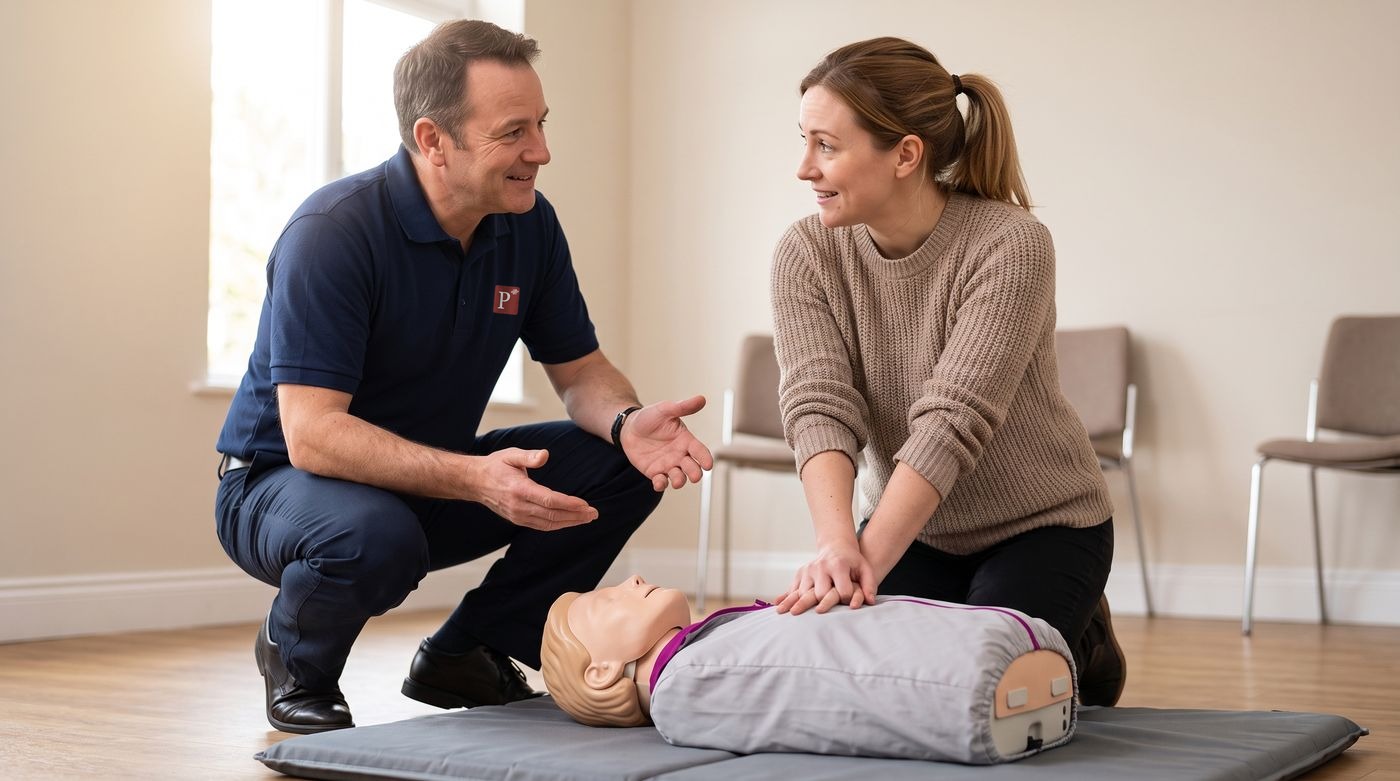
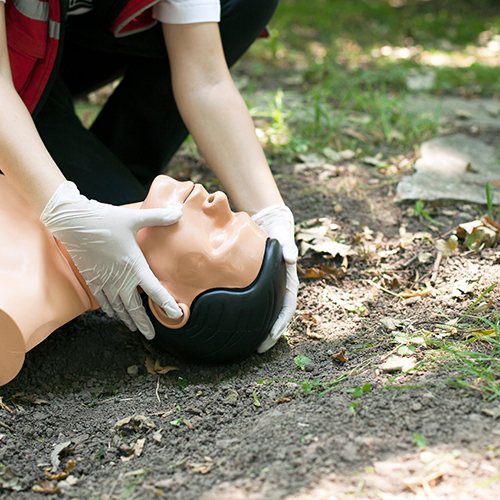
 Highfield QualificationsIn-house group price, plus VAT£1,199
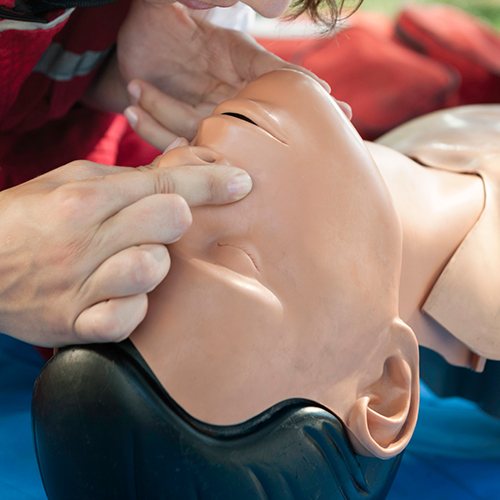
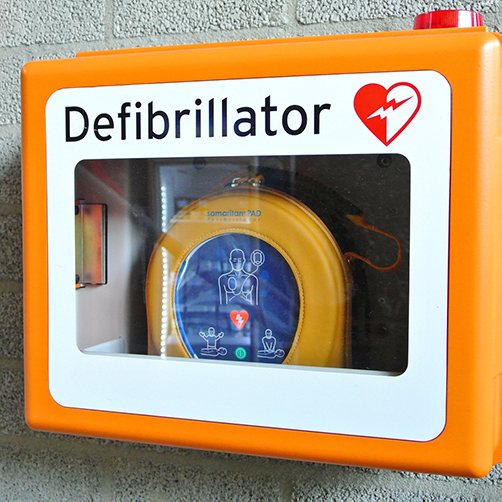
 PrometIn-house group price, plus VAT£350
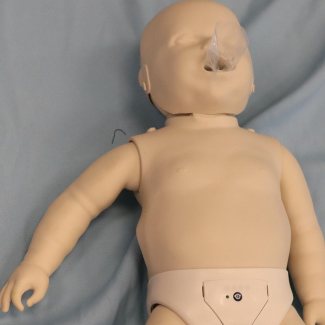


 Mental Health First Aid EnglandIn-house group price, plus VAT£600