When an HSE inspection happens, first aid is one of those areas that quickly reveals whether your workplace is genuinely prepared or just box-ticking.
The good news: compliance is not about having the fanciest kit. It is about being able to show that your first aid arrangements are adequate, appropriate, and based on real risk.
This guide explains what HSE inspectors are likely to look for and how to make sure your organisation is ready.
Your first aid provision should be based on a documented needs assessment, not guesswork.
Inspectors will expect you to show that you have considered workplace hazards, headcount, shift patterns, lone workers, layout, accident history, and access to emergency services.
HSE expects first aid cover that matches risk and staffing levels. That usually means making sure the right people hold in-date EFAW or FAW certification and that cover exists across all shifts.
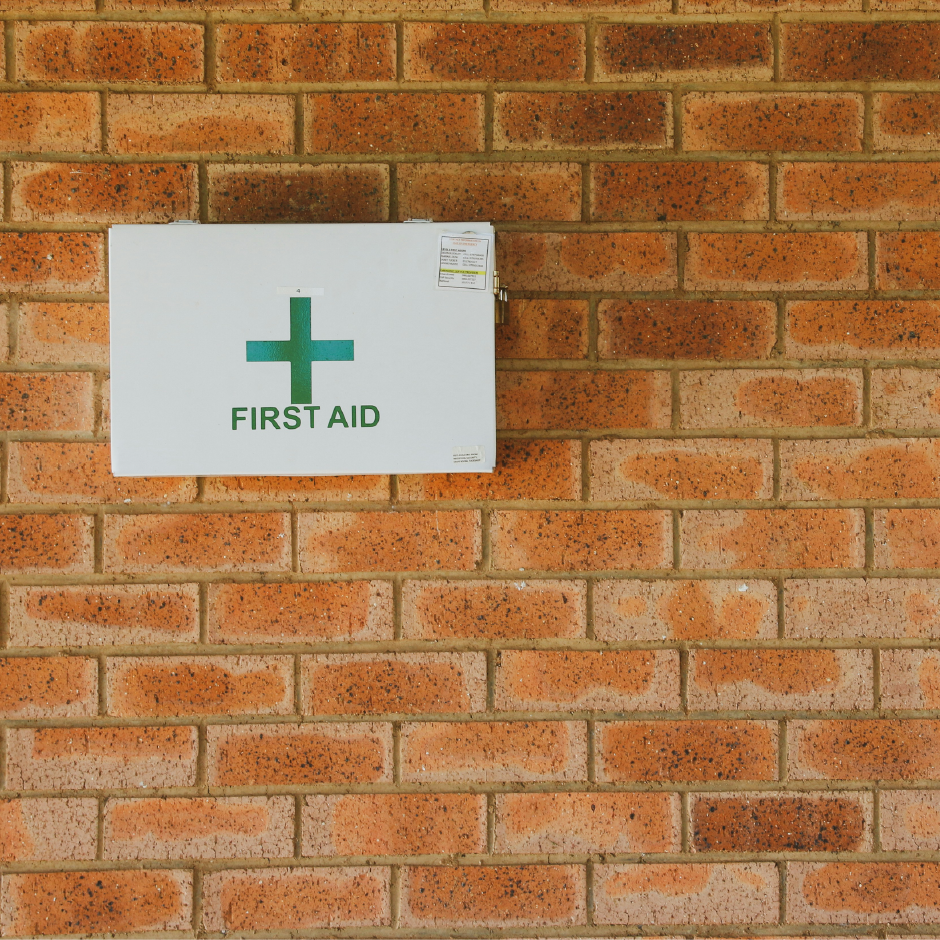
A first aid box alone is not enough. Inspectors look for equipment that is suitable for your risks, easy to access, and regularly checked.
Even good arrangements fail if nobody knows about them. Staff should know who first aiders are, where kits are kept, and how to summon help quickly.
Strong organisations can show simple records: training expiry dates, first aid kit checks, incident logs, and periodic review of their needs assessment.
The practical question behind every inspection point is simple: if someone is injured right now, will your team respond quickly and correctly?
If you want support with practical, accredited workplace first aid training, explore our First Aid courses or contact the team.
