One of the most common worries people have about first aid is simple:
“What if I do something wrong?”
It is an understandable concern. In an emergency, people may feel pressure, uncertainty and fear. They may worry about making the situation worse, being blamed afterwards, or facing legal consequences if their attempt to help is not perfect.
That fear can stop people from acting.The Social Action, Responsibility and Heroism Act 2015 is relevant because it recognises something important: people who step in to help others should not be judged as if they were acting in calm, ideal conditions.
For first aid, that matters.
The Social Action, Responsibility and Heroism Act is a short piece of legislation that applies when a court is considering a claim in negligence or breach of statutory duty.
In simple terms, it says the court must consider whether the person being criticised was:
That does not mean someone can act carelessly and automatically be protected. It does not remove the need for proper training, sensible judgement or safe practice.
But it does mean the law recognises the difference between reckless behaviour and a genuine attempt to help.
In first aid, people are often dealing with urgent, stressful and unpredictable situations.
Someone may have collapsed. Someone may be bleeding. Someone may be unconscious, choking, having a seizure, suffering a suspected heart attack, or needing CPR.
In those moments, the biggest risk is often hesitation.
The Act helps support the principle that people who act responsibly and in good faith should not be discouraged from helping because they are afraid of being sued.
That is a useful message for workplaces, community groups, sports clubs, venues and anyone responsible for staff or public safety.
This is the important caveat.
The Social Action, Responsibility and Heroism Act does not give first aiders complete legal immunity.
It does not mean:
A trained first aider should still act within the limits of their training. Employers should still carry out first aid needs assessments, provide suitable equipment, appoint or train appropriate people, and make sure staff know what arrangements are in place.
The Act is reassurance, not a replacement for good practice.
The best way to reduce fear is not just to tell people they are unlikely to be sued.
The best way is to train them properly.
Good first aid training helps people understand what to do, what not to do, and how to stay calm enough to make sensible decisions. It gives people a structure to follow when the situation feels chaotic.
For example, first aid training helps people practise how to:
That practical confidence is what makes the difference.
The law may recognise responsible action, but training helps people take responsible action in the first place.
This fear comes up regularly in first aid conversations.
The honest answer is that nobody can say legal claims are impossible. But in the UK, the bigger practical concern is usually that someone who could have helped does not act because they are frightened of getting it wrong.
The Social Action, Responsibility and Heroism Act helps challenge that fear.
If someone acts sensibly, in good faith, and within the limits of what they know, the law can take the circumstances into account.
That is a reassuring message, especially for people who are nervous about using their first aid training in a real emergency.
First aid is not about perfection.
It is about giving immediate help until professional support arrives.
In some situations, doing nothing can carry serious consequences. If someone is not breathing normally, starting CPR and getting a defibrillator could give them their best chance of survival. If someone is bleeding heavily, applying pressure quickly can make a real difference.
People do not need to be fearless to help. They need enough knowledge and confidence to take sensible action.
That is where proper training comes in.
For employers, the Act is not a reason to relax first aid standards. If anything, it is a reminder that people are more likely to step in when they feel prepared.
A sensible workplace approach includes:
First aid arrangements should not just exist on paper. Staff should understand them.
The Social Action, Responsibility and Heroism Act sends a useful message: responsible people who try to help others should not be discouraged by fear.
But the real confidence comes when that message is backed by proper training.
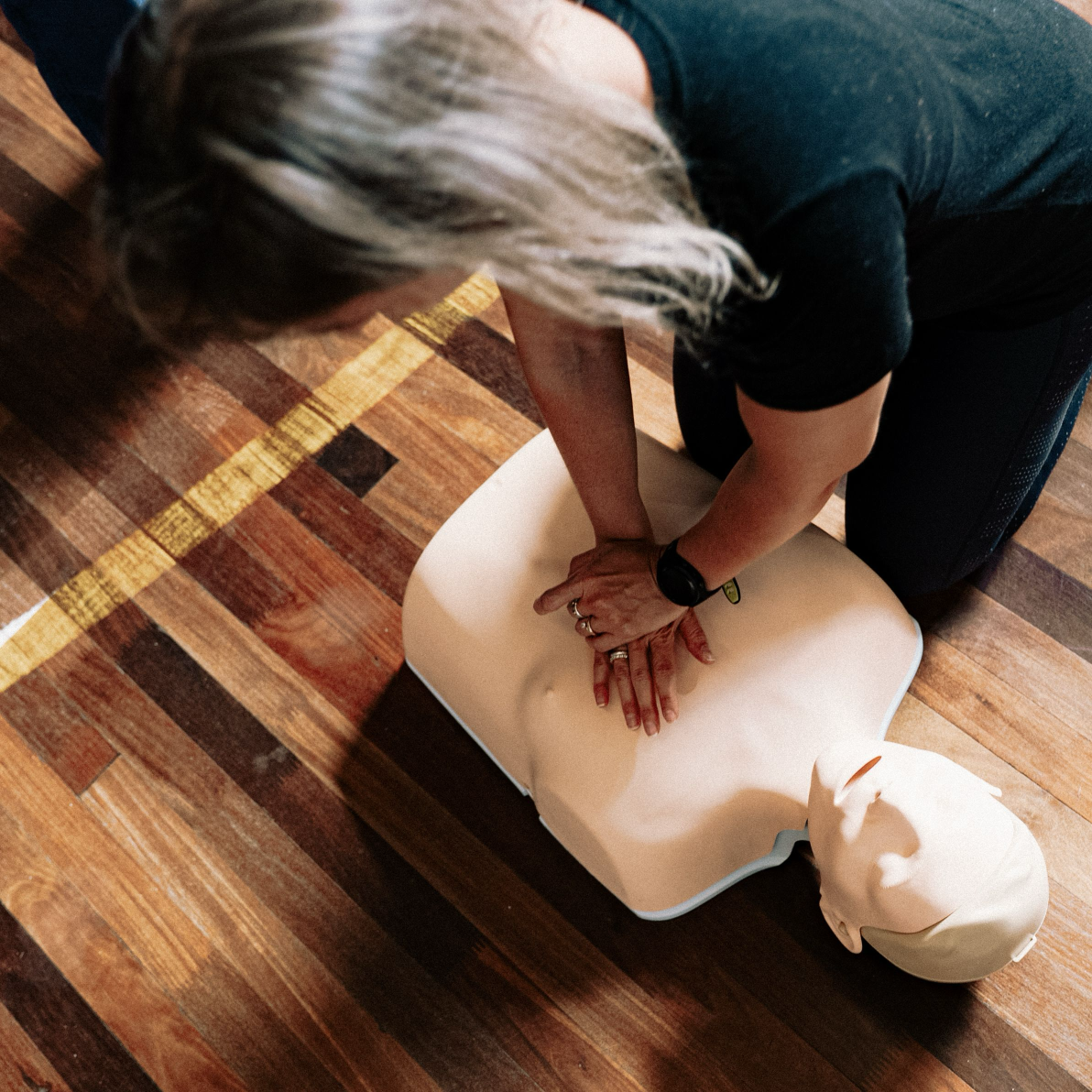
When people have practised CPR, used a training defibrillator, worked through realistic scenarios and asked the questions they are worried about, they are more likely to act when it matters.
That is the practical goal.
Not turning everyone into a medical professional.
Not pretending emergencies are easy.
But helping ordinary people feel capable of doing something useful, safe and responsible when someone needs help.
If your team is unsure what they would do in an emergency, that is the right time to review your first aid training.
Promet delivers practical workplace first aid training that helps learners build confidence, understand their role, and act appropriately when it matters.
